

-
Introduction to Pfumvudza and Conservation Agriculture4 Kappaleet
-
Planning and Preparing the Pfumvudza Plot4 Kappaleet
-
Soil Management and Mulching4 Kappaleet
-
Digging Planting Basins (Planting Holes)4 Kappaleet
-
Sowing and Planting Techniques4 Kappaleet
-
Crop Management and Care4 Kappaleet
-
Harvesting and Post-Harvest Handling4 Kappaleet
-
Climate Resilience and Sustainability Practices4 Kappaleet
-
Economic and Social Aspects4 Kappaleet
-
Practical Field Sessions and Demonstrations4 Kappaleet
-
Partnership with Finnish education experts2 Kappaleet
Osallistujat 12


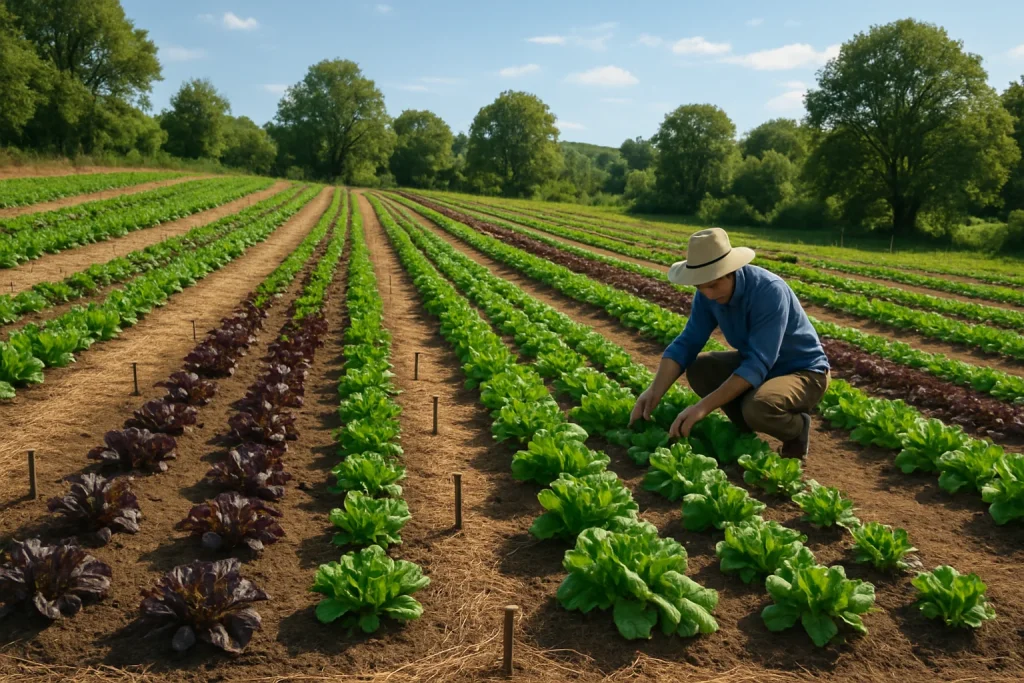
Welcome to the vibrant world of sustainable farming, where the soil you touch breathes life into your ambitions! In this section of our journey through the marvelous Pfumvudza Method, we will delve into Methods for Minimal Soil Disturbance. After all, the health of our soil is essential—not just for the immediate yields, but for the legacy of agriculture we leave behind.
The Essence of Minimal Disturbance
Imagine walking through a thriving field where each plant stands tall, nourished by the earth’s rich nutrients. Soil disturbance can be likened to a gentle waltz; when done right, it enhances the harmony of growth. Your role as a steward of the land involves maintaining its natural integrity, allowing it to nurture future crops and harbor a diverse ecosystem.
The Steps to Serene Soil Management
-
Marking Your Territory: Winter Preparations
Begin your seasonal choreography by marking out fields with permanent pegs during winter. This practice not only establishes your area of focus but keeps your vision sharp and the soil snugly tucked away beneath its protective cloak of mulch! -
Weed and Mulch: Protection in Layers
Just as we would adorn our homes to keep unwanted guests at bay, your field too deserves a protective layer. After marking, ensure weeds are swiftly dealt with. A thick blanket of mulch will shield your soil from erosion, minimize temperature fluctuations, and invigorate microbial life underneath. -
Crafting Your Planting Stations
Next, let’s dig deeper! Gently create planting stations, but remember, this craft requests a careful hand. Rows must elegantly navigate across the slope—a dance that respects the natural flow of the land. With precise measurements—52 rows spaced 75 cm apart, and a gentle placement of 60 cm in-row—you’ll craft 1456 stations in your terrain of dreams. -
Weeding Finale
On October 25th, your plot should resemble a canvas—every weed swept aside, revealing the earthy tones ready for planting. Clear soil speaks of potential! -
Preparing Your Soil with Inputs
Soil is a treasure trove, starving for nourishment. Here’s your chance to enrich it:- Apply 1363 cups of lime and a delightful 350 ml tin of compost by November 1st.
- Add 8 cups of basal fertilizer from Pack 2, ensuring these revisions harmonize with the soil by covering them to a planting depth of 3 cm.
-
Sowing Seeds: A Brave New Beginning
It’s time to fill those planting stations! Place 3 seeds per hole with about 20 litres of water for each station or wait for the first blessed planting rain after November 27th. Your delicate touch will shape the future of sustainability. -
Thinning for Prosperity
As seedlings stretch toward the sun, remember—less is sometimes more! At three weeks post-emergence, you will need to thin them to leave 2780 plants at each planting station, ensuring their vigour. -
Top Dressing and Initial Weeding
After the thinning—to support those strong artisans—apply 7723 cups of fertilizer generously around 9 cm from the plant, covering the roots tenderly. Follow it up with your first weeding, ensuring those persevering seedlings have their own space to thrive! -
Diligence Through the Seasons
Stay close to your plot, applying stalk borer treatment and continuing the art of weeding. Nature flourishes best when given attention and care! -
The Gift of Harvesting
Finally, with love and labor woven into each step, harvest those crops! Celebrate your bounty and nourish your family. Each step taken, every cautious touch—and you’ll find your field blossoming with life.
The Magic of Minimal Disturbance
Practicing minimal soil disturbance not only makes way for an abundant harvest but also enriches the soil for generations to come. Through this careful choreography, you’re not just a farmer; you are a cherished guardian of the land—a true embodiment of the Pfumvudza spirit.
Celebrate soil, nurture resilience, and embrace the profound wisdom embedded in farming sustainably. Now go forth, apply these methods, and turn your agricultural dreams into a lush reality! 🌱