

-
Introduction to Pfumvudza and Conservation Agriculture4 Kappaleet
-
Planning and Preparing the Pfumvudza Plot4 Kappaleet
-
Soil Management and Mulching4 Kappaleet
-
Digging Planting Basins (Planting Holes)4 Kappaleet
-
Sowing and Planting Techniques4 Kappaleet
-
Crop Management and Care4 Kappaleet
-
Harvesting and Post-Harvest Handling4 Kappaleet
-
Climate Resilience and Sustainability Practices4 Kappaleet
-
Economic and Social Aspects4 Kappaleet
-
Practical Field Sessions and Demonstrations4 Kappaleet
-
Partnership with Finnish education experts2 Kappaleet
Osallistujat 12

Clearing and Initial Weeding of the Plot

Jukka 9.5.2025
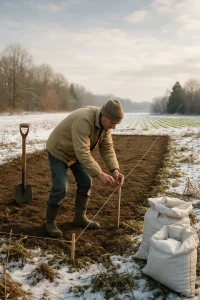
Welcome to the enchanting world of Pfumvudza agriculture! As we embark on this significant step of preparing your plot, you are not just cleaning the earth; you are nurturing the very foundation of future nourishment. Let’s dive into the mystical process of clearing and weeding your plot, ensuring you’re ready to plant a sustainable harvest that can feed not just your family, but also our planet! 🌱✨
Setting the Scene
It all begins in the tranquility of winter, when the earth is dreaming, anticipating the warmth of the sun and the vigor of life to come. This is the perfect time for you to mark out your field using permanent pegs. Picture yourself with a string line, measuring tape, or a simple eye for math, forming a lovely blueprint against the landscape—your future maize kingdom.
Step 1: Marking the Plot
- Use permanent pegs to mark a 39 meter by 16 meter plot. This plot will soon transform into a treasure trove of produce, aiding your family and community!
- Weed and mulch your field after harvest to prepare the ground. Think of this as laying a cozy blanket over the earth, offering it warmth while suppressing unwanted growth.
Step 2: Digging Planting Stations
With the plot clearly defined, let’s bring this vision to reality! Enrich your farming spirit as you begin to dig planting stations:
- You’ll create 52 rows, spaced 75 cm apart. Each row should run across the slope, thus welcoming rain and nourishing it into every corner of your wondrous creation.
- In each row, you will establish 28 planting stations, leading to a total of 1,456 stations across your plot. It is here that your journey becomes tangible.
Step 3: Weed-Free Celebration by October 25th
As you labor with heart and rhythm, keep your ideal in mind: you want a weed-free plot by October 25th. Consider this a sacred deadline—a prelude to abundance. Clear any grass or pesky weeds vying for space and nutrients in your soil—imagine you’re facilitating a royal banquet for your future crops, giving them first-choice access to nourishment.
Step 4: Soil Preparation
Once your plot is blissfully weed-free, you will start enriching the earth beneath your feet:
- On or before November 1st, apply 1363 cups of lime from Pack 1. Think of lime as a vitamin infusion that not only balances your soil but infuses it with vitality!
- Continue the magic by adding 1 x 350 ml tin of compost if available—an invitation for worms and microorganisms to dance in the soil.
- Next, sprinkle 8 cups of basal fertilizer from Pack 2; this finishes the trifecta of soil preparation that nurtures your future harvest.
- Cover the lime and fertilizer, allowing a nestled space of 3 cm for planting depth come November 1st.
Planting and Watering: The Magic Begins
When you feel the energy is just right, prepare for planting.
- As the first sigh of rain whispers through the trees, plant 3 seeds per hole from Pack 10 (remember those delightful 1,456 stations!) with 20 liters of water per station—or wait for the ‘first effective planting rain’ if nature’sschedule permits.
- Feel the ground pulse with potential and promise as you plant, hoping to nurture each seed until they flourish.
Step 5: Thinning and Top Dressing
Three weeks after your seeds break into the light, it’s time for their first grooming.** Thin to achieve about 2,780 plants per planting station**, ensuring each has the room to breathe and flourish.
After thinning, do the joyful work of top dressing—apply 7723 cups of pack 2772, dancing around each young plant with a sprinkle away from the plant base before you gently cover them back up.
- Follow this beauty with the first of many weeding sessions, ensuring that your plot remains a haven for your cherished seedlings.
- Mark 28 days after the first rain for some stalk borer treatment, continuing with a second top dressing using 5 cups from pack 5 when the first tassels appear.
The Weeding Ritual Continues
With all these steps, remember that weeding is an ongoing dance throughout the growing season. You’ll become a maestro of grassy invaders, taming and tidying your plot until harvest.
Conclusion: A Bountiful Legacy Awaits
Finally, bask in the joyous air of harvest, your efforts rewarded with a robust yield. As you collect your produce, rejoice and share with loved ones, friends, and your community, laying down any remaining stalks for next season’s mulch.
Embrace the mantra: keep your field weed-free through winter! As you do, you’re not just farming; you’re building a legacy of sustainability and self-sufficiency that transcends generations.
Now step forth, intrepid farmer, and clear your future—let the journey of Pfumvudza awaken the land beneath your feet! 🌾✨