

-
Introduction to Pfumvudza and Conservation Agriculture4 Kappaleet
-
Planning and Preparing the Pfumvudza Plot4 Kappaleet
-
Soil Management and Mulching4 Kappaleet
-
Digging Planting Basins (Planting Holes)4 Kappaleet
-
Sowing and Planting Techniques4 Kappaleet
-
Crop Management and Care4 Kappaleet
-
Harvesting and Post-Harvest Handling4 Kappaleet
-
Climate Resilience and Sustainability Practices4 Kappaleet
-
Economic and Social Aspects4 Kappaleet
-
Practical Field Sessions and Demonstrations4 Kappaleet
-
Partnership with Finnish education experts2 Kappaleet
Osallistujat 12


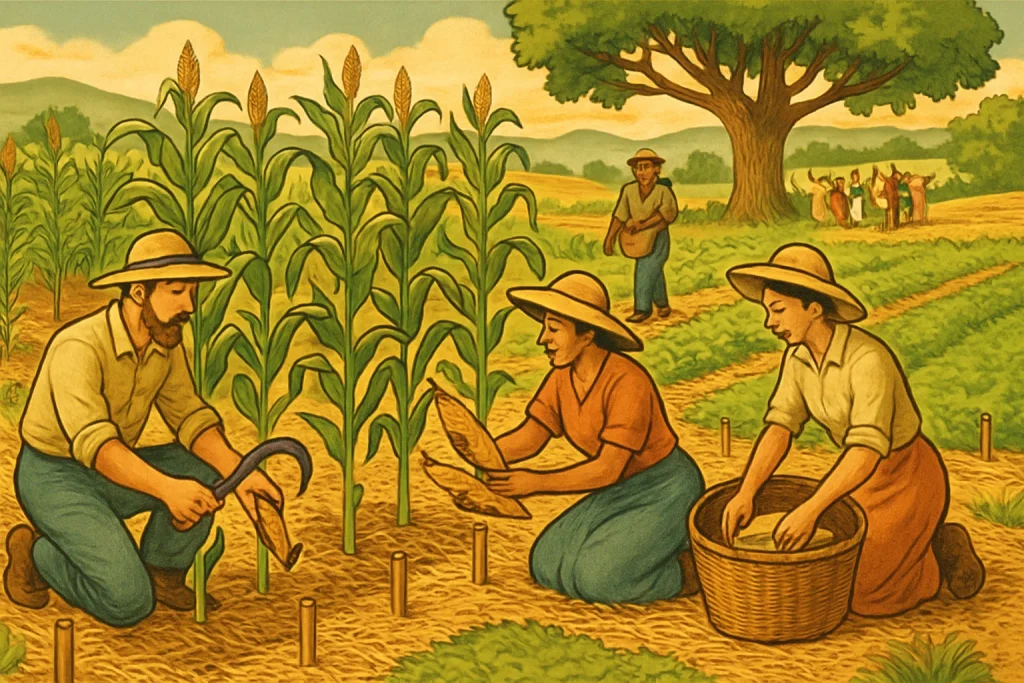
In the enchanting world of farming, each season brings with it rituals of preparation, participation, and celebration. Harvesting, however, is arguably the most spirited of them all—a time when the fruits of labor are finally realized. Join us on this voyage as we unveil the art of safe and efficient harvesting through practical techniques that respect both the crops and the environment surrounding your treasured fields.
Preparing for the Harvest With Care
Before we can revel in a bountiful harvest, let’s set the stages right:
- Field Setup: As winter envelops your fields, sprinkle in a little foresight by marking them with permanent pegs. This process ensures there’s a designated fitting space for planting stations that run across the slope, maintaining a balanced eco-system for your beloved crops.
- Weed Management: Your relationships with your plants foster their growth. Thus, keep that bond strong by ensuring the fields are weedy-free well before harvest time. Consider incorporating a weed-free state by the 25th of October as a cherished goal.
- Mulching: Mulch doesn’t just entice butterflies and bees; it’s your silent hero that retains moisture and sues for darkness forbidding weed resurgence over winter.
With these vital preparations behind us, it’s time to talk about the magical moment of harvesting.
The Harvesting Dance: Techniques to Learn
Step 1: Timing is Everything
Carefully observe your crops—their color, texture, and firmness will lead you like a wise elder! For maize, using the touch test becomes your trusted advisor. Harvest when the husks begin to turn brown, and the cobs have filled beautifully.
Step 2: Tools of the Trade
To embark gracefully upon this harvesting journey, equip yourself with essential tools that can transform your work from laborious to pleasurable:
- Hand Tools: Sickle knives and hand-held harvesters are wonderful companions that make the process efficient without the risk of damaging crops or injuring hands.
- Containers: After the sowing, ready your containers to gather your harvest. Choosing sturdy baskets will allow easier handling and prevent unnecessary tipping.
Step 3: The Bounty’s Embrace
With tools in hand and the right mindset, approach your plants with respect. Here are some techniques for a more safe and smooth harvesting experience:
- Knee for Your Plants, Eyes for the Horizon: As you yield to the task of cutting plants, ensure your body is aligned to prevent back strain. Adopt a squat or kneeling posture while harvesting lower crops. Crops into buckets—not down your back!
- Harvesting in Rows: Like an elegant waltz, calculate the rhythm of your harvesting by proceeding in an organized manner. Work in rows to ensure you gather every last fallen treasure while minimizing bottlenecks and disarrangements.
Step 4: Protect Your Bounty
Upon receiving your harvest, it’s essential to protect them from the thwarting effects of moisture and pests during post-harvest handling. Aim to transport your harvest in well-ventilated containers avoiding overloading them to prevent bruising or spoilage.
Bonus Tip: Celebrate the Harvest Joy!
Embrace the joy of good harvest practices—feast with family, friends, and community members to share the bounties you’ve collected. Stories abound with laughter and shared experiences as meals made from your carefully harvested crops warm hearts and souls.
Winter Wonders: Preparing for Next Season’s Growth
After the exuberant celebrations, give a nod to the importance of preparing your plots for the season of winter. Lay down stalks for next season’s mulch to nourish the ground, keeping it rich for the calling of new beginnings! What an enriching cycle we signify—an end wrapped in care, an insight for the future, and a promise that all is well in the world of agriculture.
Harvesting transcends merely gathering crops; it’s the poetic culmination of love, labor, and mindful applications of sustainable practices. May the teachings of the Pfumvudza method guide you into a realm of nourishment, resilience, and community growth. Happy harvesting! 🌾