

-
Introduction to Pfumvudza and Conservation Agriculture4 Kappaleet
-
Planning and Preparing the Pfumvudza Plot4 Kappaleet
-
Soil Management and Mulching4 Kappaleet
-
Digging Planting Basins (Planting Holes)4 Kappaleet
-
Sowing and Planting Techniques4 Kappaleet
-
Crop Management and Care4 Kappaleet
-
Harvesting and Post-Harvest Handling4 Kappaleet
-
Climate Resilience and Sustainability Practices4 Kappaleet
-
Economic and Social Aspects4 Kappaleet
-
Practical Field Sessions and Demonstrations4 Kappaleet
-
Partnership with Finnish education experts2 Kappaleet
Osallistujat 12

Gender and Youth Inclusion in Pfumvudza Projects

Jukka 9.5.2025
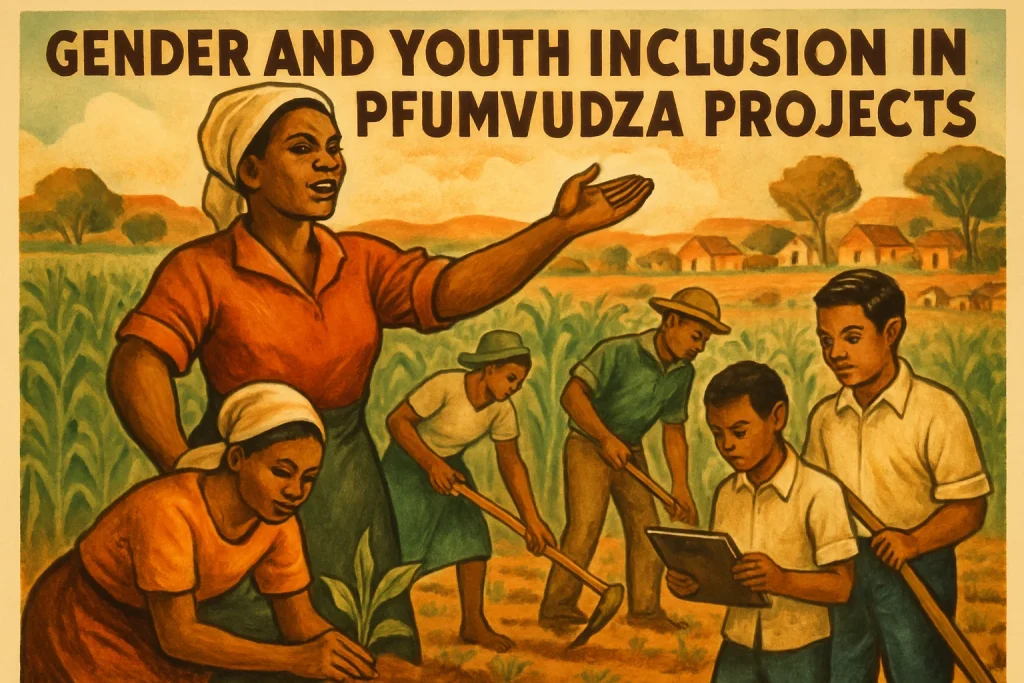
Welcome, adventurers of agricultural brilliance! As we embark on our exploration of the Pfumvudza Method, we now plunge into a realm rife with potential and promises – the economic and social tapestry of gender and youth inclusion. This lesson will illuminate the essential roles these groups play within the Pfumvudza framework, as we cultivate not only crops but also community resilience.
The Heartbeat of Inclusivity
At the crux of the Pfumvudza Method is a philosophy that intertwines productive land use with social equity. It is a clarion call for the involvement of all community members, specifically focusing on gender and youth. Imagine a world where women contribute equally to agricultural decisions, and the boundless energy of youth cultivates innovation in farming. What a vibrant future awaits us when all voices are heard!
The Role of Women in Farming
Women are oftentimes the backbone of smallholder farming. They are responsible for a significant portion of the labor force in agriculture, yet face numerous barriers such as limited access to land, finance, and education. By prioritizing their participation in Pfumvudza projects:
- Empowerment through Education: We’ll deliver training sessions specifically tailored to women, enabling them to harness their skills in sustainable farming techniques.
- Access to Resources: Advocate for equitable access to resources such as seeds, tools, and fertilizers to empower women to lead in agricultural production.
- Decision-Making: Encouraging their involvement in project planning and decision-making further amplifies their voices and experiences in farming practices.
Engaging the Youth
When we think of innovation, we often conjure the image of the younger generation. Engaging youth in Pfumvudza projects is nothing short of planting seeds of the future. Here’s how we can invigorate their participation:
- Innovative Approaches: Foster a culture of innovation where youth can propose modern farming techniques, engage in climate-smart agriculture, and utilize technology to monitor and improve agricultural outputs.
- Skill Development: Offer workshops that not only focus on traditional agricultural practices but also integrate entrepreneurial skills, enabling youth to create sustainable business models around Pfumvudza crops.
- Community Champions: Encourage youth to act as change agents within their communities, inspiring their peers and the larger community to embrace inclusive policies.
Bridging the Gap: Collaboration for Growth
The transformation of agricultural practices in Pfumvudza relies on collaboration amongst various segments of society:
- Community Leadership: To foster an inclusive approach, it’s vital for village leaders to advocate for gender and youth participation.
- Partnerships with NGOs: Collaborate with local and international organizations to promote workshops, awareness campaigns, and training sessions focused on inclusivity.
- Public Awareness: Launch initiatives that celebrate success stories of women and youth in agriculture, inspiring others to follow suit and actively partake.
Metrics of Inclusivity
To truly assess the progress made in gender and youth inclusion, we will measure our successes through:
- Participation Rates: Increase in the number of women and youth involved in Pfumvudza projects.
- Decision-Making Representation: The proportion of women and youth in leadership positions within agricultural cooperatives.
- Feedback Mechanisms: Establish channels for feedback to continuously adapt and improve strategies surrounding inclusivity.
Conclusion
As we conclude this lesson on Gender and Youth Inclusion, let us remember that the Pfumvudza method is not merely about increased productivity but also about cultivating community empowerment and social equity. Through collaboration, innovative approaches, and dedicated advocacy for women and youth, we can dream of fertile fields that yield not only crops, but also a united and resilient community.
May your farm and your spirit flourish in the transformative journey of Pfumvudza!
Get ready to engage further in our discussions on practical implementations, stories from the field, and a glimpse into the blossoming future of inclusive agriculture.
Let’s sow the seeds of change together! 🌱