

-
Introduction to Pfumvudza and Conservation Agriculture4 Kappaleet
-
Planning and Preparing the Pfumvudza Plot4 Kappaleet
-
Soil Management and Mulching4 Kappaleet
-
Digging Planting Basins (Planting Holes)4 Kappaleet
-
Sowing and Planting Techniques4 Kappaleet
-
Crop Management and Care4 Kappaleet
-
Harvesting and Post-Harvest Handling4 Kappaleet
-
Climate Resilience and Sustainability Practices4 Kappaleet
-
Economic and Social Aspects4 Kappaleet
-
Practical Field Sessions and Demonstrations4 Kappaleet
-
Partnership with Finnish education experts2 Kappaleet
Osallistujat 9


Intercropping and Crop Rotation for Sustainability

Jukka 9.5.2025
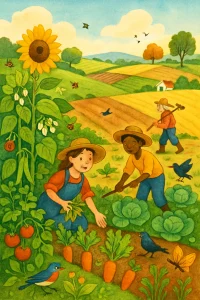
As we dive into the vibrant world of sustainable agriculture, let’s discover the enchanting practices of intercropping and crop rotation. These age-old methods serve not just to enhance the health of the soil, but to create a harmonious balance that nurtures both the land and the farmers who cultivate it.
Understanding Intercropping
Intercropping involves planting two or more crops in proximity for various benefits. Imagine the kaleidoscope of colors blossoming in your field! This technique can increase biodiversity, improve soil health, reduce pests, and ultimately boost your yields. The beauty of intercropping lies in its synergistic abilities; the crops work together like a finely tuned orchestra.
Benefits of Intercropping:
-
Enhanced Soil Fertility: Certain plants, like legumes, have the magical ability to fix nitrogen in the soil. When intercropped with cereals, they provide essential nutrients to their neighboring crops, often eliminating the need for chemical fertilizers.
-
Pest Management: By combining different kinds of crops, you create a diversified ecosystem that confuses pests and can naturally deter them. Imagine your field as a bustling market, where not every stall (crop) is selling the same product – this diversity keeps the “shoppers” (pests) guessing!
-
Maximized Space: Intercropping allows you to utilize every bit of available ground efficiently. When one crop grows tall, another can spread low, ensuring your plot isn’t just a patch of dirt, but a flourishing tapestry of life.
Embracing Crop Rotation
Now, let’s journey into the practice of crop rotation. This technique involves changing the type of crops grown in a specific area from season to season. Picture the cycle of the seasons, each bringing its own unique gifts to the garden; this diversity can dramatically improve soil structure and health.
Benefits of Crop Rotation:
-
Soil Health Improvement: Different crops access different soil nutrients. By rotating through various plant families, you can avoid depleting specific nutrients, leading to healthier soil. Think of it as giving your soil a renewal, a fresh start with each planting season.
-
Weed Control: As each crop displays different growth habits and root structures, rotating crops keeps weeds guessing. Sometimes your soil needs a rest, and rotating crops allows it to breathe and regenerate.
-
Disease Management: Pests and diseases thrive on familiarity. When you change your crops annually, you break the cycle of pests and diseases, keeping your harvest thriving and your yields robust. It’s like a strategic chess game with nature.
Practical Application: Marking Your Field
In the context of preparing your land for intercropping and crop rotation, begin by following these outlined steps. Each action plays a crucial role in setting the stage for your sustainable farming journey:
-
Mark Out Your Field: In winter, carefully delineate your plot with permanent pegs. A well-marked field is like an artist’s canvas, waiting to be painted with the colors of your crops.
-
Weed and Mulch: Clear away nature’s uninvited guests by keeping your field weed-free. Apply a layer of mulch to enrich the soil and retain moisture, just like laying a blanket over a sleeping child.
-
Planting Stations: Dig planting stations, ensuring that rows run across the slope. This technique will harness the natural contour of the land, enhancing water retention and reducing erosion.
-
Soil Amendment: By November 1st, incorporate lime and compost into your soil. This process enriches the earth beneath your feet, preparing it for life, just like setting the stage for a performance.
-
Strategic Planting: Plant your seeds with precision: three seeds per hole, ensuring you cover them to the right depth. Like crafting a hidden treasure, nature awaits unveiling its bounty with every seed you sow.
-
Nurturing the Crop: Your dedication doesn’t stop at planting. Continue to weed, apply fertilizers, and treat for pests as required. Your patience and care will echo through the collective successes of the harvest.
As the seasons change and your crops flourish, remember that intercropping and crop rotation are not just farming techniques. They are a way of engaging with the earth, fostering growth not only within your fields but in your community and in personal resilience.
By implementing these practices, you also contribute to global efforts for food security and sustainability, setting an example for others to follow. So gather your tools, reacquaint yourself with the soil, and let the magic of intercropping and crop rotation unfold in your fields! 🌱✨