

-
Introduction to Pfumvudza and Conservation Agriculture4 Kappaleet
-
Planning and Preparing the Pfumvudza Plot4 Kappaleet
-
Soil Management and Mulching4 Kappaleet
-
Digging Planting Basins (Planting Holes)4 Kappaleet
-
Sowing and Planting Techniques4 Kappaleet
-
Crop Management and Care4 Kappaleet
-
Harvesting and Post-Harvest Handling4 Kappaleet
-
Climate Resilience and Sustainability Practices4 Kappaleet
-
Economic and Social Aspects4 Kappaleet
-
Practical Field Sessions and Demonstrations4 Kappaleet
-
Partnership with Finnish education experts2 Kappaleet
Osallistujat 12

Environmental Impacts and Long-Term Benefits

Jukka 9.5.2025
Introduction
As we traverse the captivating realm of the Pfumvudza method, we unveil a tapestry woven from the very threads of sustainability and environmental stewardship. This section celebrates not just the immediate triumphs over food scarcity but also the profound and lasting impacts that Pfumvudza practices impart on our precious environment. Let’s embark on an enlightening journey to evaluate how these innovative approaches redefine the relationship between agriculture and our ecosystems.
The Verdant Alchemy of Gothenocking
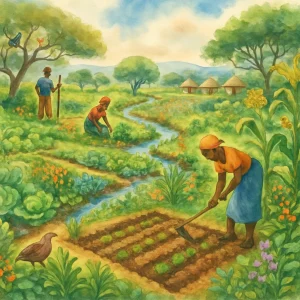
In the heart of the farming landscape lies a profound principle: the blooming relationship between healthy agriculture and flourishing ecosystems. The Pfumvudza method, grounded in conservation agriculture, ensures that we are not just taking from the land but nurturing it symbiotically. Picture a quilt of lush green fields, alive with the rustle of biodiversity—this imagery springs to life through sustainable practices cultivated under Pfumvudza.
Environmental Benefits
Pfumvudza aligns seamlessly with the contemporary need to reduce ecological footprints. Through its core principles, this method effectively limits soil erosion, conserves water, and enhances nutrient cycling.
-
Soil Health Restoration:
- By employing mulching and minimal tillage, Pfumvudza frees the earth from excessive disturbance, allowing microbial life to flourish. Intact soil layers and natural organic matter transform our fields into robust ecosystems. The sanctuary of beneficial organisms not only fosters soil fertility but serves as the backbone of resilient agricultural systems.
-
Water Conservation:
- With strategic layout and planting methods, Pfumvudza utilizes water wisely, nurturing crops while collecting rainwater efficiently. This is not mere irrigation; it is an articulation of respect for vital resources, ensuring that even in dry seasons, the lifeblood of our fields flows undiminished.
-
Reduction of Carbon Footprint:
- In the quiet whispers of a healthy farm, carbon sequestration promises to counter climate change. Our lush maize fields, under the guidance of Pfumvudza, become carbon reservoirs as they harness the sun’s energy, releasing pure oxygen in the process. Each crop nurtured goes beyond yield; it becomes a combatant against global warming.
Long-Term Benefits
The Pfumvudza method is not a fleeting trend—it’s a commitment to life, sustainability, and community. The long-term benefits resonate not only in the bounty harvested but in the very essence of life on Earth.
-
Ecosystem Resilience:
- By promoting biodiversity, Pfumvudza creates habitats for various species, ensuring ecological diversity. Healthier ecosystems yield greater resilience against pests and diseases, steering communities toward food security. As a result, smallholder farmers become not just producers but stewards of the land.
-
Continuous Production Cycle:
- With Pfumvudza, traditional crop loss from soil depletion becomes a myth of the past. The sustainable practices embraced facilitate a continuous cycle of productivity, ensuring families can eat well season after season. The harmony between the art of farming and the rhythm of nature creates a lifestyle that nourishes today while safeguarding tomorrow.
-
Community Empowerment:
- This journey extends beyond individual fields; it strengthens the communal fabric. Empowering smallholder farmers through shared knowledge and cooperative practices cultivates a sense of investment in the environment. As communities adopt Pfumvudza, they witness a transformative synergy, fostering collective resilience and shared prosperity.
Conclusion
The landscape transformed through the Pfumvudza method paints a vivid picture of hope, nourishment, and vital connection to the earth. Each plot cultivated reflects an anthem of sustainability, echoing the promise of a future where environmental impacts are not merely evaluated but cherished.
The Pfumvudza journey is one of awakening—a call to action that invites every smallholder farmer to be a guardian of the earth. Let us together celebrate the flourishing ecosystems and resilient communities that will arise from this powerful methodology. Join us in harvesting not just corn, but a better tomorrow for generations to come.
Through Pfumvudza, small fields flourish—a testament to the eternal dance of nature and nurturing, rallying a movement to revolutionize farming, protect our planet, and ensure food security for all. 🌍🌽💚