

-
Introduction to Pfumvudza and Conservation Agriculture4 Kappaleet
-
Planning and Preparing the Pfumvudza Plot4 Kappaleet
-
Soil Management and Mulching4 Kappaleet
-
Digging Planting Basins (Planting Holes)4 Kappaleet
-
Sowing and Planting Techniques4 Kappaleet
-
Crop Management and Care4 Kappaleet
-
Harvesting and Post-Harvest Handling4 Kappaleet
-
Climate Resilience and Sustainability Practices4 Kappaleet
-
Economic and Social Aspects4 Kappaleet
-
Practical Field Sessions and Demonstrations4 Kappaleet
-
Partnership with Finnish education experts2 Kappaleet
Osallistujat 12


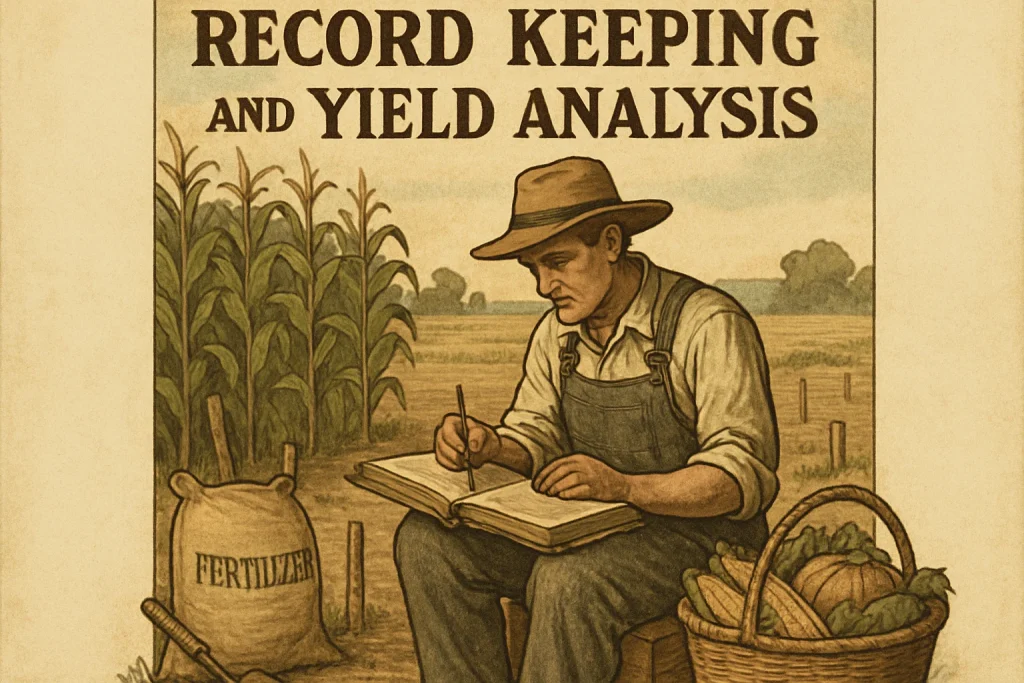
Welcome to the heart of your Pfumvudza journey—Record Keeping and Yield Analysis! As we delve into this topic, imagine transforming your farming game by capturing every moment, every choice, and every outcome on your pathway to sustainable agriculture. Just as an artist keeps a sketchbook to capture the essence of their work, you too can document your farming journey, leading to bountiful harvests and informed decisions. Whether you are an aspiring steward of the land or a seasoned farmer, the insights you gain here will prove invaluable!
The Treasure of Record Keeping
Imagine you are on an expedition. Every exploration requires a map and keeping records of your findings is akin to crafting that very map. In the realm of farming, record keeping entails documenting every aspect of your agricultural practices:
-
Field Preparation: Capturing the date you marked and prepared your field, including weed and mulch measurements, will help you evaluate what strategies worked best. Remember marking out your field with those perennial pegs? Always note the coordinates!
-
Planting Details: Keep track of every seed and its station. Record the number of seeds planted, the types used (like that glorious maize from Pack 10), and planting depth. This meticulous tracking will kickstart your yield analysis later.
-
Nutrient Input: When you made sure to sprinkle lime (1363 cups) and basal fertilizer (8 cups) by those deadlines, those records illuminate the nutritional paths taken by your soil. The records you keep will provide powerful insights into how different nutrient applications affect your harvest.
-
Weeding and Thinning: Document the timelines for weeding, thinning seedlings down to 2780 per planting station, and what methods you employed. These notes symbolize your battle with nature and help strategize future farms.
-
Harvesting Dates and Quantities: Ah, the sweet climax of your labor! Record the dates you harvested, the total yield, and whether any corners were cut. Your notes will help refine next year’s approach.
The Art of Yield Analysis
Now, let’s unfurl the colorful tapestry of yield analysis! So much more than mere numbers, yield analysis is a reflection of your farming story:
-
Measuring Your Success: After joyfully harvesting, it is time to tally the results—a monstrous yield awaits! Measure the amount of maize collected—did you fill your bucket weekly as planned? Let this data speak to you about the effectiveness of your practices.
-
Identifying Trends: By keeping records over the seasons, chart your yields and identify patterns. Are there years when the maize thrived? Analyze rainfall, pest invasions, and any unexpected visitors like stalk borers (28 days post-first rain)! Create a narrative, understanding what worked and what fell short.
-
Reflect and Improve: Your analysis will guide future interventions. Did the topdressing routine mesh well? How did the unyielding weeds react to your strategies? Was there indeed more you could do differently?
-
Community Knowledge Sharing: Engage with fellow farmers in discussing findings. Sharing experiences can unravel deeper insights and collective growth, allowing every participant to navigate the heart of agriculture together.
Crafting Your Farming Chronicle
As we take a step into the vivid world of record keeping, treat every note as a brushstroke on your agricultural canvas. Create a dedicated journal or use spreadsheets to highlight what you learn.
-
In Your Journal: Create different sections for planting, harvesting, and challenges faced. Use sketches, photographs, and figures to communicate your story vividly.
-
Build a Community Archive: Consider digital platforms where farmers can exchange their insights and years of experience. The power of comradeship enhances growth in a profound way.
In sum, record keeping and yield analysis form the cornerstone of your Pfumvudza endeavor. These practices will not only empower you but your community as well! Through diligence in documenting and reflecting upon your work in the field, you elicit change, growth, and sustainability. Keep your records, celebrate your yields, and let’s gear up for future harvests filled with wisdom and joy! Happy Farming! 🎉🌱✨