

-
Introduction to Pfumvudza and Conservation Agriculture4 Kappaleet
-
Planning and Preparing the Pfumvudza Plot4 Kappaleet
-
Soil Management and Mulching4 Kappaleet
-
Digging Planting Basins (Planting Holes)4 Kappaleet
-
Sowing and Planting Techniques4 Kappaleet
-
Crop Management and Care4 Kappaleet
-
Harvesting and Post-Harvest Handling4 Kappaleet
-
Climate Resilience and Sustainability Practices4 Kappaleet
-
Economic and Social Aspects4 Kappaleet
-
Practical Field Sessions and Demonstrations4 Kappaleet
-
Partnership with Finnish education experts2 Kappaleet
Osallistujat 12

Proper Drying, Storage, and Preservation Techniques

Jukka 9.5.2025
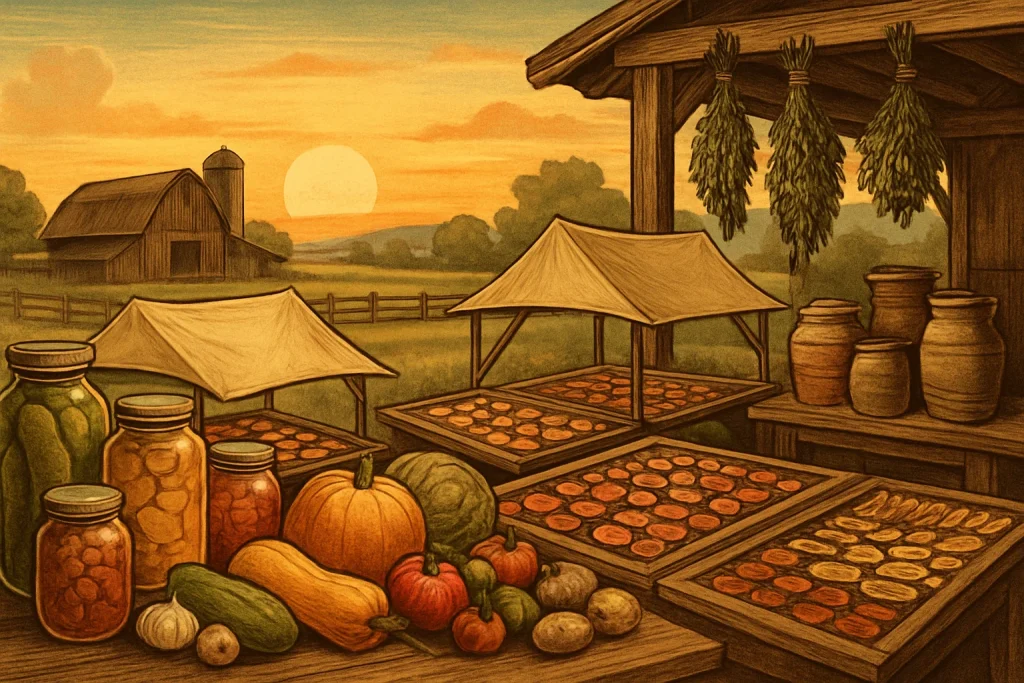
As the golden sun sets on your flourishing fields, the moment of harvest arrives—a time of exhilaration and promise. However, the journey does not end with the gathering of crops. To ensure the fruits of your labor provide sustenance throughout the seasons, mastering proper drying, storage, and preservation techniques is crucial. In this topic, we’ll uncover the best methods to retain the quality and nutritional value of your harvested produce, transforming your bounty into a sustainable, lasting resource for your family.
The Art of Drying: A Delicate Balance
Drying is an art as much as it is a science. It involves removing moisture from your harvested produce, which is essential to inhibit spoilage and extend shelf life. Here are a few methods to consider:
1. Sun Drying
Utilize the warm embrace of the sun to dry your fruits and vegetables. Lay them out in a single layer on clean, raised surfaces away from direct contact with the ground. Cover them with fine mesh to protect them from insects. In areas where sunlight is abundant, sun drying can work wonders for producing dried mangoes, tomatoes, and herbs.
2. Shade Drying
When sunshine is scarce or outside temps run too high, shade drying becomes invaluable. Place your crops in a well-ventilated shaded area that is warm and dry. This method helps maintain the vibrant colors of your produce while still forcing moisture out gently.
3. Air Drying
For delicate herbs and smaller vegetables like chillies, consider air drying. Suspend them in small bundles without touching each other, allowing the air to circulate. This method retains the essential oils and flavor far better than oven drying but requires patience.
4. Oven Drying
If quick results are necessary, oven drying provides an effective alternative. Set your oven on low heat (around 50-60°C/120-140°F) and leave the door slightly ajar to let steam escape. Keep a close watch; frequent checking ensures your goodies don’t overcook.
The Treasure Trove of Storage
Once dried, proper storage plays a pivotal role in preserving your produce’s essence and quality. Here are some enchanting ways to keep your bounty safe:
1. Glass Jars
Clear away intrusive air with tight-fitting glass jars. It is crucial to store under cool, dry conditions away from sunlight. Jars serve as both a storage and display medium, showcasing the vibrant colors of your labor.
2. Vacuum Sealing
Seal in freshness! Vacuum-sealed bags can be a long-term wonder, ideal for storing dried grains, legumes, and even dehydrated fruits. By limiting oxygen, you shrink the chances of mold or insect invasion.
3. Cool, Dark Spaces
Find a special nook in your home. Shelves away from sunlight and heat sources help maintain optimal conditions for your freshly dried produce. Be sure to follow this recipe for good practices: airflow, temperature, and darkness.
Preservation Techniques: A Lasting Legacy
Incorporating preservation techniques beyond simple drying opens up realms of possibility. Explore these methods to further enhance the longevity of your harvest:
1. Fermentation
Allow nature’s embrace to transform crops into probiotic-rich delights. Ferment vegetables like cabbage into delicious sauerkraut, delivering both delightful taste and health benefits.
2. Canning
A popular method, canning involves sealing produce in jars while heating to kill bacteria. Simple yet effective, it’s perfect for preserving jams, sauces, and pickles.
3. Freezing
For the freshest taste, freezing produces retains color, flavor, and nutritional value. Flash freezing can work wonders on berries or corn harvested during peak seasons. Ensure airtight packaging to prevent ‘freezer burn.’
4. Smoking
Take preservation a step further by infusing your produce with flavors through smoking. Sausage, fish, or vegetables mesmerize with exceptional tastes while extending their storage life.
Conclusion: Your Bounty, Your Legacy
By mastering these techniques—drying, storing, and preserving—you become a steward of your harvest, ensuring that your hard work nourishes not just your family today but generations to come. With each method, embrace the quest of transforming your crops into treasures that endure.
Visions of abundant meals fill the mind—your family indulging in the delights of your garden, memories anchored in every bite. The Pfumvudza method intertwines effort with community growth, revealing the heart of sustainable farming. Happy harvesting! 🌽✨