

-
Introduction to Pfumvudza and Conservation Agriculture4 Kappaleet
-
Planning and Preparing the Pfumvudza Plot4 Kappaleet
-
Soil Management and Mulching4 Kappaleet
-
Digging Planting Basins (Planting Holes)4 Kappaleet
-
Sowing and Planting Techniques4 Kappaleet
-
Crop Management and Care4 Kappaleet
-
Harvesting and Post-Harvest Handling4 Kappaleet
-
Climate Resilience and Sustainability Practices4 Kappaleet
-
Economic and Social Aspects4 Kappaleet
-
Practical Field Sessions and Demonstrations4 Kappaleet
-
Partnership with Finnish education experts2 Kappaleet
Osallistujat 12


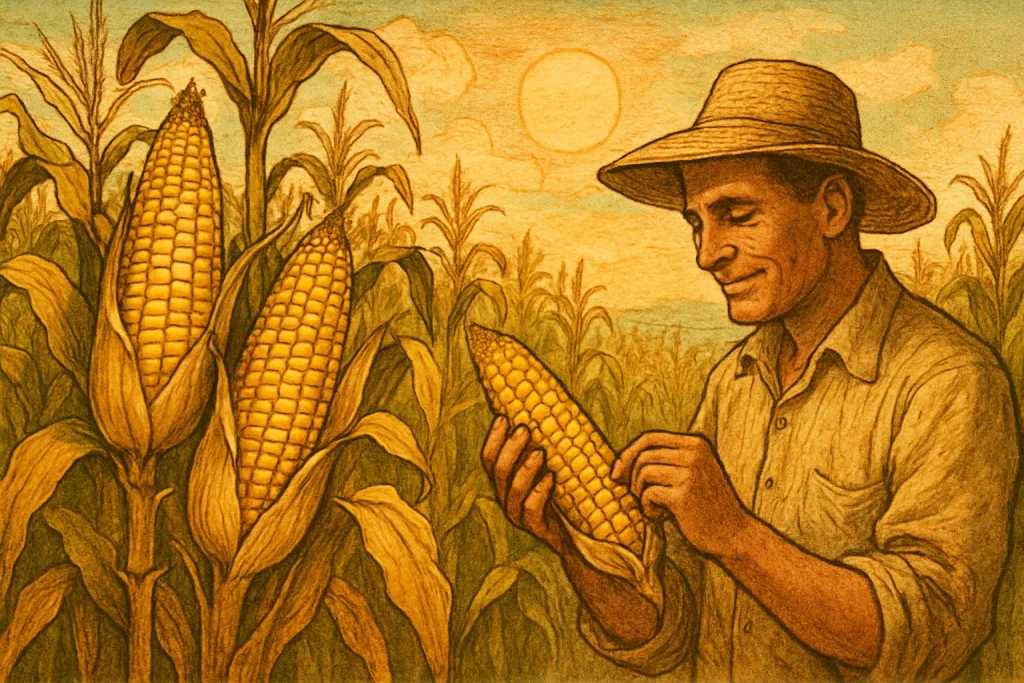
Welcome to the magical world of harvesting, where timing is crucial and knowledge is your most powerful tool. As you venture into the celestial garden of Pfumvudza, understanding the signs of crop maturity will empower you to reap the rewards of your labor and nourish your family!
The Journey of Growth
Imagine this: every seed you’ve sown with care and intention has embarked on a remarkable journey. From the moment those seeds kissed the earth, they have been drinking in the sunlight and dancing in the breeze, morphing with the cycles of nature. The sweetness of harvest comes not just from the bounty, but from the patience of waiting until the crops are perfectly mature. So let’s explore how you can tell that the time has finally come!
Unveiling the Signs
1. Coloration Changes
As your crops near maturity, their colors may deepen or change altogether. For example, maize ears transform from bright green to a golden hue – a radiant sign they’re ready to grace your harvest basket.
2. Texture and Hardness
Fingers can be great indicators! Gently squeeze a few kernels. They should feel firm, showcasing their readiness to be harvested. If they are mushy or soft, give them a little more time to soak in the sun’s nurturing rays.
3. Age and Time
Reflect upon the timeline of your planting journey. Depending on the variety of crops, they typically take between 90 to 120 days to reach maturity. Cross-check with your local planting calendars to confirm if the anticipated harvest window aligns with your plants’ progression.
4. Physical Markers
Look for signs of yellowing or withering in the leaves, especially those of maize. Generally, when leaves start to brown and wither at the base, it’s like nature’s whisper saying, “The time is soon—harvest is around the corner!”
5. Silk Color and Ear Formation
When growing maize, that velvety silk that adorns the cobs holds wisdom. Once it turns brown and dries, it typically signals that maturity is close at hand. Take a peek at the cisterns – or “ears” – they should be plump and filled out, a sign of good fertility and readiness.
6. Feel of the Grain
Undoubtedly, one of the most delightful ways to know if a crop is ripe is to taste a sample! For maize, the grains should be fully formed and starchy. If you feel confident in your experimentation, taste it; remember, delightful contentment comes from well-timed bites!
Timing Matters!
With all these glorious signs to guide you, remember that patience is key. Harvesting too early can result in diminished yield and flavor. So be like the majestic eagle, soaring high above, surveying the field with keen eyesight, waiting for the perfect moment to land and elevate your harvest from earth to plate.
You’re now equipped to observe, feel, and taste the readiness of your crops. With each of these signs, you step into a new narrative of sustainability, resilience, and community empowerment that the Pfumvudza method embodies. Harvest with joy, share your bounty, and embrace the myriad of flavors you have cultivated with your own two hands! Happy harvesting!