

-
Introduction to Pfumvudza and Conservation Agriculture4 Kappaleet
-
Planning and Preparing the Pfumvudza Plot4 Kappaleet
-
Soil Management and Mulching4 Kappaleet
-
Digging Planting Basins (Planting Holes)4 Kappaleet
-
Sowing and Planting Techniques4 Kappaleet
-
Crop Management and Care4 Kappaleet
-
Harvesting and Post-Harvest Handling4 Kappaleet
-
Climate Resilience and Sustainability Practices4 Kappaleet
-
Economic and Social Aspects4 Kappaleet
-
Practical Field Sessions and Demonstrations4 Kappaleet
-
Partnership with Finnish education experts2 Kappaleet
Osallistujat 12


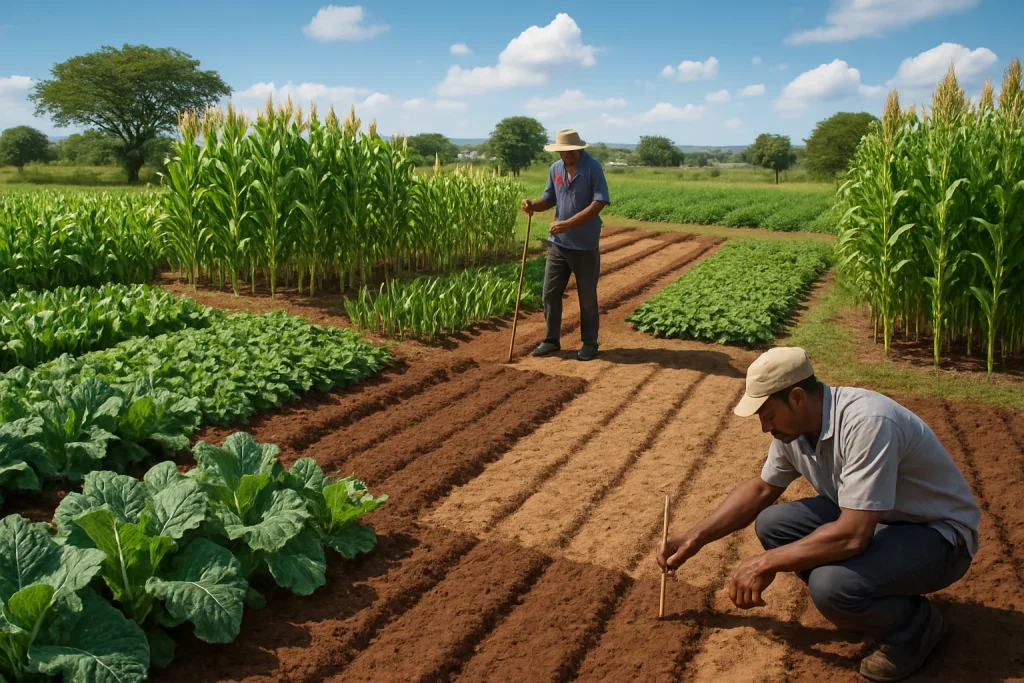
Welcome to the topic of Selecting Appropriate Crop Varieties! As we journey through the enchanted fields of the Pfumvudza method, we will explore the art and science behind choosing crop varieties that not only survive but thrive in your unique farming environment.
In the realm of smallholder farming, the right variety is the golden key that unlocks the door to bountiful harvests and food security. Here, it’s essential to harmonize your choice of crops with the defining characteristics of your land and climate. Let’s delve deeper!
Understanding Your Environment
Before diving into the selection process, it’s essential to understand the aspects of your environment:
-
Soil Type: Is your soil sandy, clay, or loamy? Each type has its unique properties that affect water retention and nutrient availability. Advisably, conduct a simple soil test to see what you’re working with.
-
Climate Conditions: Consider factors such as rainfall patterns, temperature range, and growing seasons. Farmers in different areas may find success with different crop varieties based on these environmental indicators.
-
Pfumvudza Method Compatibility: The Pfumvudza method emphasizes conservation agriculture, which prioritizes soil health and moisture retention. With this in mind, opt for crops known for their resilience and compatibility with conservation practices.
Criteria for Selecting Crop Varieties
Now that we’ve set the context, let’s explore the specific criteria you should consider for crop selection:
1. Disease Resistance
- Look for varieties that are resistant to common pests and diseases in your region. It may involve some research or seeking advice from local agricultural extension services.
2. Yield Potential
- Selecting high-yielding varieties is crucial to maximizing production within the compact Pfumvudza plots. Don’t hesitate to consult experienced farmers or agricultural advisors about which varieties consistently offer the best yields in similar conditions.
3. Local Adaptation
- Choose varieties that locals have successfully cultivated for years. These crops are typically better adapted to local conditions, making them resilient against climatic fluctuations.
4. Maturity Period
- Different crops have varying maturity periods. It’s crucial to choose varieties that can mature within your growing season. Fast-maturing varieties can offer quick returns, while longer-maturing options may align with yield predictions.
5. Nutritional Value
- Selecting crops that will provide adequate nutrition for your family’s needs is paramount. Consult with local nutritionists or agricultural organizations to help identify valuable and nutritious crops.
Your Pfumvudza Planting Plan
With the knowledge of the crops best suited for your Eigenfield, it’s time to think about how their variety aligns with the Pfumvudza planting plan. As a gentle guide, keep the following steps from earlier considerations in mind:
-
Mark Out Your Field: Remember the importance of aligning rows across the slope for optimal water retention. With 52 rows spaced 75 cm apart, visualize the abundance of diverse crops flourishing together.
-
Dig Efficient Planting Stations: Each station’s layout is designed not only for accessibility but also for enhancing crop health. The meticulous spacing allows for airflow and sunlight, ensuring each variety shines in its way!
-
Prepare Your Soil: Creating an enriched environment for new seedlings entails measurements like lime and basal fertilizer added at the right moments, layered carefully so you’re ensured a gentle plant bed.
Conclusion: The Harvest of a Thoughtful Selection
Selecting the right crop varieties sets the foundation for your farming success. As you consider plants that will thrive under the Pfumvudza technique, let each selection mirror the harmony of your farming ethos, your land’s identity, and your community’s needs.
Remember!
- Stay connected with peers and agricultural experts.
- Don’t overlook personal experiences and collective wisdom from fellow farmers.
- Above all, allow your love for the land to guide you in every seed you pick!
Continue with confidence on this vibrant farming journey, and soon you’ll be harvesting joy and prosperity from the thoughtful seeds you’ve sown! 🌱🌾