


Overview
In the Finnish education system, inclusion is a fundamental principle that ensures all students, regardless of their abilities or challenges, have access to quality education in a supportive environment. This topic delves into the successful inclusion practices observed in Finnish schools, focusing on tailored strategies that address individual learning needs while promoting a cooperative learning atmosphere.
Key Concepts in Finnish Special Education
1. Flexible and Adaptive Curriculum Design
The Finnish education system allows for a flexible curriculum that can adapt to the individual learning conditions of students. Schools can design curricula without rigid constraints on grade levels, enabling a more personalized learning experience. This flexibility is crucial for implementing part-time special education, where students participate in general education while receiving necessary support.
- Part-time Special Education: For students facing mild learning or adjustment difficulties, such as speech and reading challenges, part-time special education is integrated alongside general education. This collaboration ensures that the educational experience caters to the diverse needs of students.
2. Collaborative Teaching Model
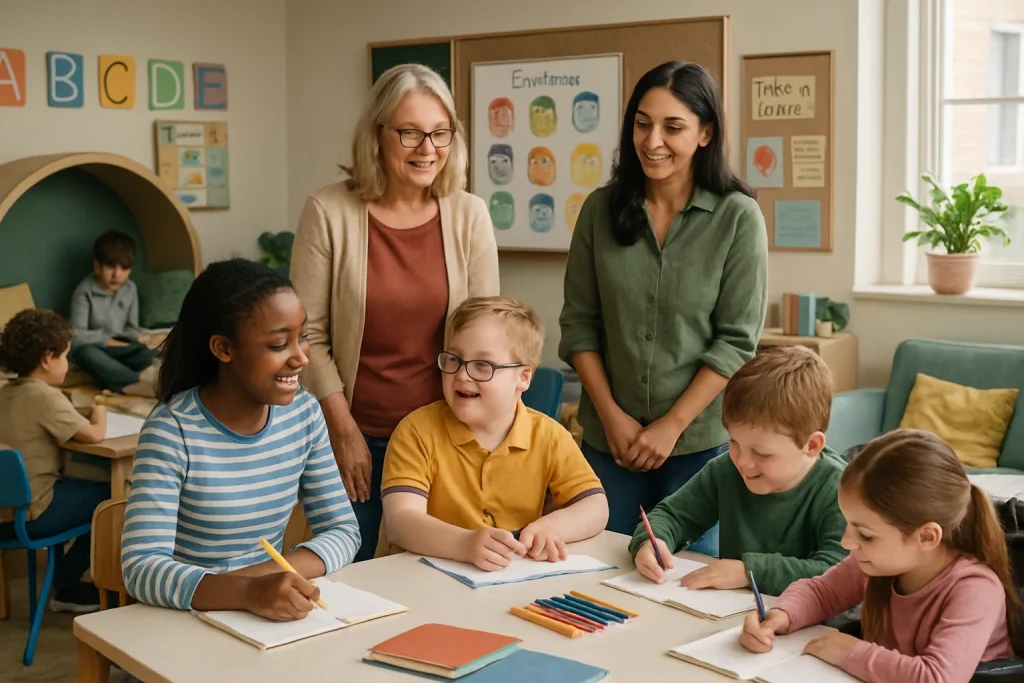
The Finnish approach to inclusion emphasizes collaboration between special education teachers and general education teachers. Joint planning, implementation, and evaluation of educational activities ensure that students receive the support they need within the general classroom.
- Co-teaching Practices: In co-teaching scenarios, both educators work together to deliver inclusive lessons that benefit all learners. This model promotes peer support and enhances social interaction among students with varied abilities.
3. Customization of Instruction
Inclusion in Finnish education necessitates the customization of instructional approaches to meet the unique needs of each student. The educational framework permits the development of individualized curricula that prioritize the student’s personal learning goals and accommodate their pace of learning.
- Personalized Learning Plans: Individualized learning plans are essential for students with special needs. These plans provide a roadmap for achieving educational objectives while considering each student’s strengths and interests.
4. Holistic Focus on Student Well-Being
Finnish educators recognize that academic achievement is intertwined with a student’s emotional, social, and physical well-being. Inclusion strategies are designed to create a supportive and safe environment that encourages students to thrive.
- Emphasis on Well-Being: Activities focusing on mental health, social interaction, and emotional intelligence are integrated into the curriculum. This holistic approach allows students to feel valued and respected, fostering self-confidence and engagement in learning.
5. Continuous Assessment and Feedback
The skillful adaptation of teaching and learning strategies hinges on ongoing assessment and feedback from students. The Finnish education system emphasizes the importance of reflecting on student experiences to make necessary adjustments in teaching methodologies.
- Dynamic Evaluation Processes: Teachers regularly assess student progress and adapt their teaching strategies based on student feedback. This iterative process ensures that the instructional approach remains responsive and effective.
Lessons Learned from Finnish Inclusion Practices
-
Emphasis on Collaboration: Effective inclusion is best achieved through collaboration among educators, parents, and specialists. Schools are encouraged to foster a community that values teamwork and collective responsibility in supporting student learning.
-
Flexibility is Key: Providing flexibility in curriculum design allows educators to address the diverse needs of students effectively. Schools should remain open to experimenting with different instructional models and strategies.
-
Personalized Approaches Matter: Tailoring education to meet individual needs is essential for fostering an inclusive environment. Each student should have access to customized learning pathways that empower them to succeed.
-
Holistic Integration Enhances Learning: Recognizing and addressing the well-being of all students creates a conducive learning atmosphere. Schools must integrate well-being initiatives into their educational frameworks.
-
Continuous Improvement Through Feedback: Ongoing evaluation allows educators to refine their practices continuously. Making assessment and feedback a core component of the teaching process promotes better outcomes for students with special needs.
In conclusion, the Finnish special education system offers valuable insights into successful inclusion practices that can be applied globally. By adopting a flexible, collaborative, and personalized approach to education, schools can create nurturing environments that empower all students to thrive academically and socially.
