


Introduction
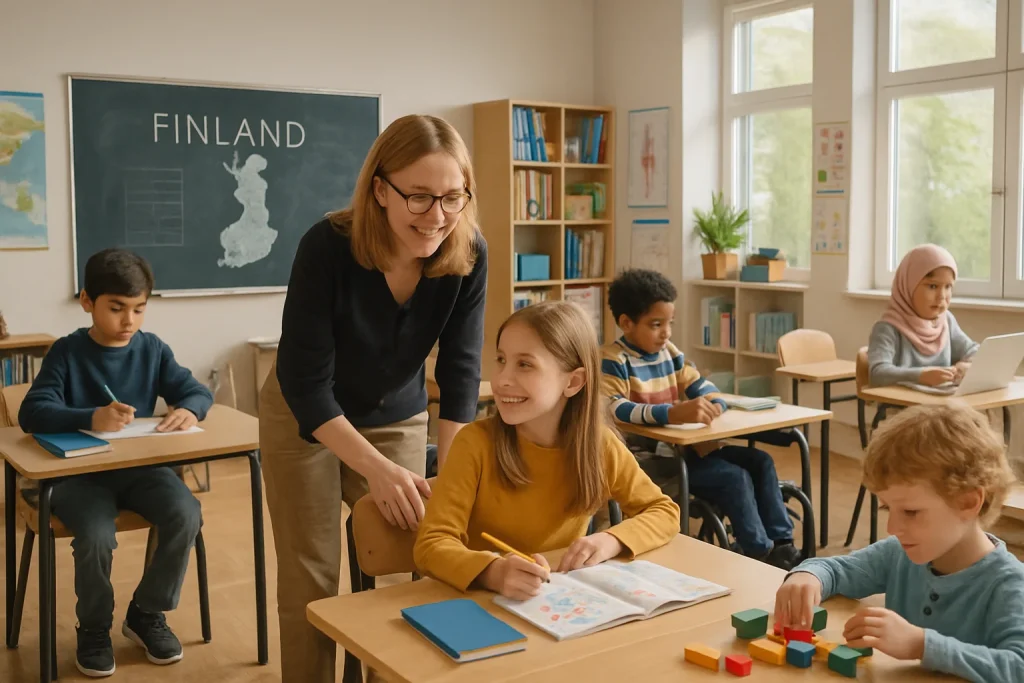
The Finnish education system is grounded in the principle that all students possess unique strengths, weaknesses, and learning styles. Consequently, the implementation of customized curricula is pivotal to ensuring that diverse learners receive tailored educational experiences that cater to their specific needs. This topic will explore the various ways the Finnish educational curriculum can adapt to meet the diverse needs of its students, aligning with the goals of the national education framework and promoting inclusivity.
The Need for Customization
Customization of curricula is not merely an option but a necessity in Finnish education, particularly when integration into general education settings is not feasible or effective for particular students. Special education arrangements allow for tailored instruction that addresses individual learning conditions of students, fostering their initiative, self-confidence, and overall development. When required, teaching may be arranged within specialized classes, utilizing adapted curricula that deviate from general primary education curricula.
Types of Customized Curricula
-
Adapted Curricula: These are designed specifically for students with special educational needs and vary significantly from the general education curriculum. They are employed when students cannot meet the objectives outlined in the general education framework due to conditions such as disabilities or developmental delays. Adapted curricula also cater to the teaching of hearing-impaired students and can be applied across various areas of special needs education.
-
Adjusted Curricula: These curricula allow teachers to modify the content and objectives of the generalized curriculum according to the individual learning requirements of the student. They are implemented to support diverse learning needs while maintaining a connection to the national educational standards.
-
Personalized Learning Plans: It is fundamental for students to have individualized curricula tailored to their specific educational goals. Each plan must be developed collaboratively, involving students, guardians, teachers, and educational specialists, ensuring a holistic approach to learning and growth.
Crafting Customized Learning Environments
The effectiveness of customized curricula is significantly enhanced through the strategic design of learning environments. This requires teachers to adapt their teaching methods to stimulate student interest, engagement, and motivation. The structure of lessons should be organized to provide:
- Motivation: Clearly articulating the relevance of the lesson to real-life situations helps students understand its significance and applicability.
- Content Overview: The educator must summarize key points and essential theories concisely.
- Student Activation: Engaging students through collaborative tasks, group work, or exploratory learning enhances interaction and active participation.
- Reflection: Providing opportunities for students to discuss their learning experiences encourages critical thinking and comprehension.
- Repetition: Revisiting key concepts reinforces knowledge retention and ensures clarity.
Objectives of Customized Curricula
The overarching aim of customized curricula in special education is to provide equitable educational access, enabling all students to achieve their potential. Specific objectives include:
-
Alignment with National Standards: Customized curricula should still align with Finland’s national educational goals, ensuring that all students receive a quality education that prepares them for future academic and career challenges.
-
Flexibility in Student Progression: Curricula should be structured to allow students to transition smoothly to higher levels of education, even if they have followed a modified educational path.
-
Fostering 21st Century Skills: The curricula must emphasize essential skills such as critical thinking, creativity, collaboration, and communication, equipping students with the necessary competencies for the future.
-
Continuous Feedback and Adaptation: Constant evaluation and input from students must guide the ongoing development of personalized curricula. Feedback mechanisms help to assess student progress and areas for improvement, ensuring that the instructional approach remains responsive to evolving needs.
Conclusion
The Finnish model of education exemplifies a commitment to inclusivity and the belief that every child can succeed, given the right support and adapted learning experiences. Customized curricula for diverse learners are integral to this philosophy, ensuring that all students, regardless of their individual challenges, are afforded equal opportunities to thrive within the educational system. As educators embrace the process of adaptation and the continual evolution of curricula, they not only improve educational outcomes for individual students but also enrich the learning environment for all.
