


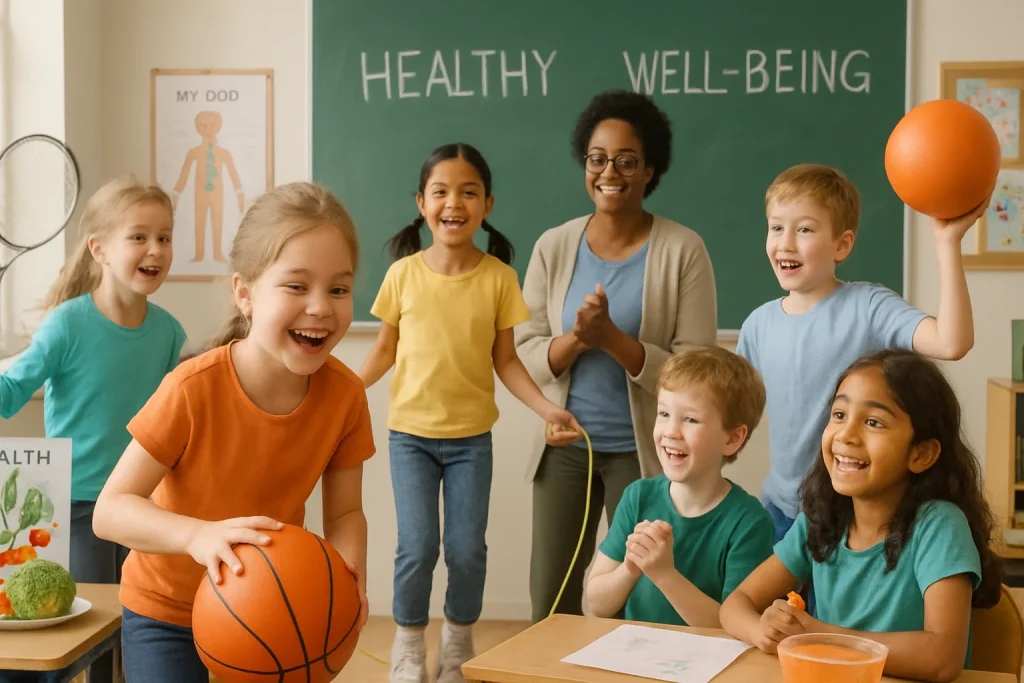
Lesson: Promoting Well-Being and Inclusion in Education
Topic: Physical and Mental Well-Being
Introduction
Incorporating health education into the curriculum is of utmost importance in fostering a holistic understanding of well-being among students. Within the context of the Finnish education system, promoting both physical and mental well-being is recognized as an essential component not only of educational success but also of lifelong health and happiness. The Finnish approach emphasizes the significance of a balanced, health-oriented education that nurtures the total development of every child.
The Importance of Health Education
Health education integrates various aspects that underline the importance of informed and healthy choices. Within the framework of Finnish education, subjects such as traffic education, family education, and health education contribute to an understanding of personal safety, social responsibilities, and the holistic development of a young individual. Each area addresses foundational components that constitute physical and mental well-being:
-
Traffic Education: It instills the ability to act responsibly in various traffic situations, fostering an awareness of personal and others’ safety. The curriculum encourages students to evaluate the significance of traffic, not just as a matter of personal safety but also in terms of its broader impact on the environment, society, and livelihoods. This awareness cultivates critical thinking through real-world applications.
-
Family Education: This subject supports students in understanding family dynamics, relationships, and the diverse structures of families in contemporary society. Through these discussions, students learn to appreciate their roles within their families while also recognizing the myriad cultural backgrounds that exist. This holistic approach nurtures social skills and emotional intelligence, key factors in promoting mental well-being.
-
Health Education: This area plays a pivotal role in developing students’ understanding of physical health, mental wellness, and social interactions. The curriculum focuses on cultivating health-promoting behaviors and supporting mental health through education on social skills, empathy, conflict resolution, and emotional expression. Health education aims to empower students with the knowledge and abilities required to make informed choices that enhance their well-being.
Promoting Physical Well-Being
Physical well-being is significantly impacted by students’ engagement in regular physical activity and healthy lifestyle choices. The Finnish education system recognizes the importance of embedding physical education and extracurricular activities into the curriculum. Not only does this contribute to students’ fitness levels, but it also enhances social interaction among peers.
Key objectives of promoting physical well-being include:
- Regular Physical Activity: Activities associated with physical well-being are designed to foster a joy of movement through participation in diverse sports, games, and exercise.
- Safety Awareness: Safe practices are emphasized, including swimming and lifesaving techniques, ensuring students are well-versed in acting safely in various environments.
- Understanding Health Determinants: Students are educated about the factors that influence physical health, encouraging the establishment of routines and practices that promote positive health outcomes.
Enhancing Mental Well-Being
Mental well-being encompasses emotional and psychological health, which are vital for students to thrive academically and socially. The Finnish education approach prioritizes the development of social-emotional skills alongside academic learning.
Essential components for enhancing mental well-being include:
- Emotional Expression: Providing students with the language and frameworks to express their feelings, which is crucial in cultivating emotional intelligence.
- Conflict Resolution Skills: Teaching students methods to resolve interpersonal conflicts constructively, which fosters resilience and self-esteem.
- Social Connections: Encouraging collaborative learning environments where students can build relationships and support networks. These interactions enhance feelings of belonging and community, essential for mental health.
Conclusion
The integration of health education focusing on both physical and mental well-being within the Finnish educational framework responds effectively to the challenges faced by students in a rapidly changing world. By adopting student-centered methodologies, educators are better equipped to nurture a holistic approach that promotes meaningful learning experiences and enriches students’ lives. This comprehensive understanding of well-being serves as a foundation not only for academic success but for the students’ overall development into responsible, health-conscious individuals.
