


Topic: Inclusive Educational Practices
Introduction to Inclusive Educational Practices
Inclusive educational practices aim to create a learning environment where all students, regardless of their individual abilities or backgrounds, can thrive and participate fully in the educational process. The principles of inclusivity involve recognizing and valuing diversity among students, facilitating meaningful participation, and providing appropriate support and accommodations to cater to varied learning needs. This topic explores various strategies that educators can employ to foster inclusivity in the classroom, ensuring that every student’s educational experience is supportive and equitable.
Strategies for Fostering Inclusivity in the Classroom
-
Adapting Teaching Methods:
- Differentiated Instruction: Tailor instruction to accommodate different learning styles, interests, and abilities. This could involve offering varied types of assignments, using multiple teaching modalities (visual, auditory, kinesthetic), and providing resources appropriate to varying skill levels.
- Universal Design for Learning (UDL): Implement UDL principles by providing multiple means of representation, engagement, and expression. This helps students access the curriculum according to their unique needs.
-
Customized Curricula:
- When integration into mainstream classrooms is not beneficial for certain students, special classes with customized curricula should be established. Such curricula should align with the students’ learning conditions and promote their initiative and self-confidence.
- Personal Learning Plans (PLP): Develop individualized plans based on assessments of each student’s needs, strengths, and goals. Adapt assessments and learning objectives to ensure that they reflect personal aspirations while aligning with general educational standards.
-
Creating a Supportive Environment:
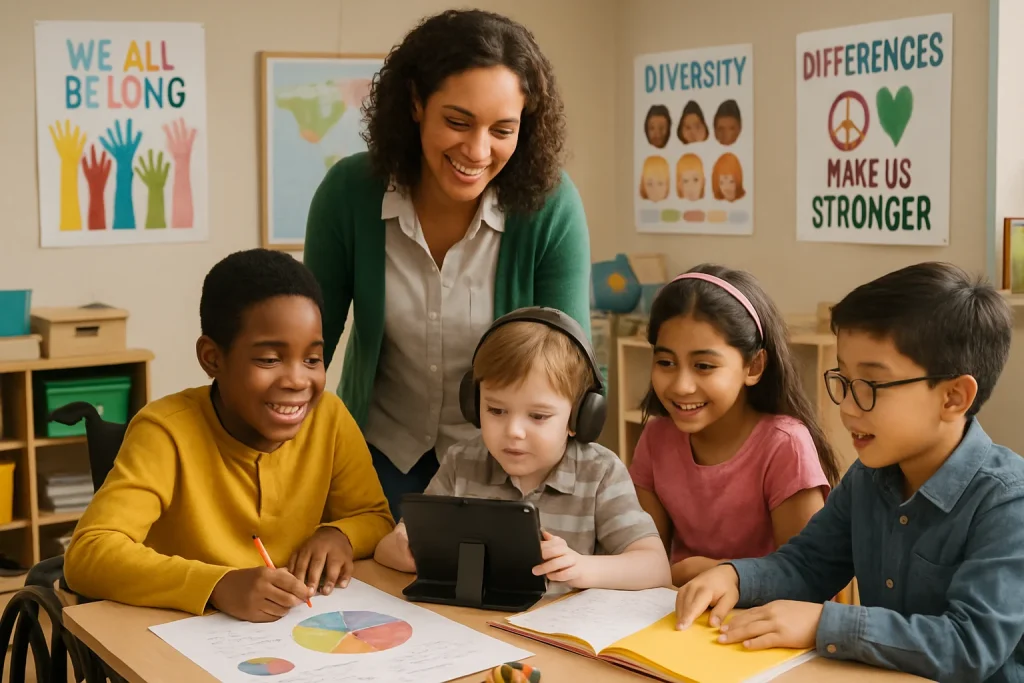
- Fostering a Sense of Belonging: Create a classroom atmosphere that celebrates diversity and promotes respect among peers. Encourage collaborative learning activities where students work together, recognize each other’s strengths, and learn from one another.
- Promoting Positive Relationships: Establish an open line of communication with students and their families. Regularly engage with parents and guardians to keep them informed and involved in their child’s education.
-
Use of Technology and Resources:
- Incorporate educational technology that aids learning and engagement, such as assistive technologies, digital learning platforms, and interactive tools that provide personalized learning experiences.
- Provide a variety of resources, including books, videos, and hands-on materials, to cater to diverse learning preferences and abilities.
-
Ongoing Assessment and Feedback:
- Regularly assess students’ understanding and progress through formative assessments that inform instructional decisions. Utilize diverse assessment formats to accommodate different learning preferences (e.g., presentations, projects, written reports).
- Provide constructive feedback that guides students toward improvement and fosters self-reflection, encouraging a growth mindset.
-
Professional Development for Educators:
- Engage in continuous professional development focused on inclusive practices. Training sessions, workshops, and collaborative learning communities among educators can support the implementation of effective inclusive strategies in the classroom.
Importance of Collaborative Practices
Inclusivity requires collaboration among educators, specialists, and support staff, along with active involvement from families and the community. By working together, teachers can share resources, strategies, and solutions, ensuring a cohesive approach to supporting diverse learners.
-
Collaboration with Special Education Professionals:
- Work closely with special education teachers and specialists to identify specific needs and devise appropriate strategies and interventions.
-
Peer Support Systems:
- Establish peer mentoring or buddy systems where students can support each other academically and socially, fostering inclusivity through shared learning experiences.
Conclusion
Fostering inclusive educational practices is crucial for creating equitable opportunities in the classroom. By employing diverse teaching strategies, adapting curricula, and fostering a supportive learning environment, educators can help all students, including those with special needs, reach their full potential. Inclusion not only benefits individual students but also enriches the educational experience for all, promoting a culture of understanding and respect that prepares students for a diverse society.
Reflection Questions
- How can you apply the principles of UDL in your classroom?
- What steps can you take to create a more inclusive environment for your students?
- In what ways can collaboration with colleagues enhance inclusive practices in your school?
By embedding these strategies into daily practices, educators can ensure that the principles of inclusivity and well-being are central to the learning experience, reflecting the Finnish education system’s commitment to accessible and meaningful education for all.
