


Lesson: Promoting Well-Being and Inclusion in Education
Topic: Cultural Identity and Multiculturalism
Understanding cultural identity and multiculturalism represents a critical component of promoting well-being and inclusion in education. This topic dives into how education can serve as a powerful tool for fostering cultural identity while simultaneously respecting and valuing diversity among students.
The Foundations of Cultural Identity
Cultural identity is shaped through various dimensions of a person’s life. These dimensions include:
- Home and Social Environment: The upbringing and community context provide the foundational beliefs and values that influence an individual’s identity.
- Language: Language serves as a primary medium for expressing cultural identity. It is essential for both personal self-expression and community belonging.
- History and Traditions: Collective histories and traditions instill a sense of belonging and continuity, allowing individuals to connect with their roots.
- Religion and Livelihoods: Religious beliefs often shape cultural practices, influencing how individuals see themselves within their communities.
- Arts and Nature: Appreciation for artistic expressions and the natural environment fosters a richer cultural understanding and identity.
In educational contexts, these aspects of cultural identity must be thoughtfully incorporated into curricula and teaching practices to help students understand themselves and others within a broader multicultural framework.
The Rise of Multiculturalism in Finnish Education
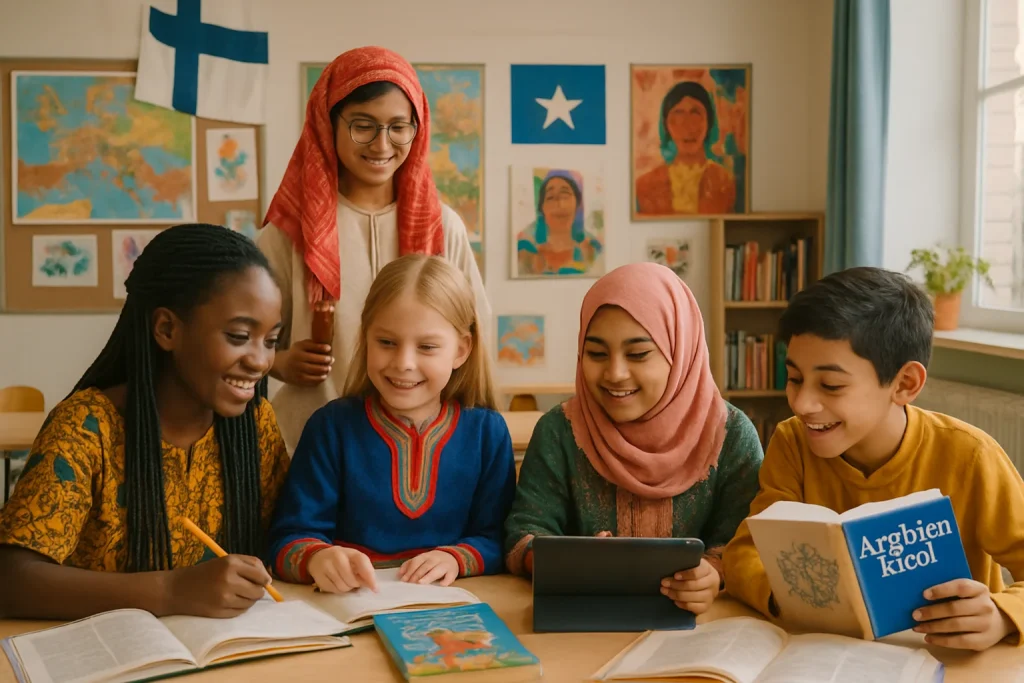
Finland’s educational landscape has progressively become more multicultural due to increasing immigration and global interaction. In this internationalizing world, schools must embrace cultural distinctiveness and the ability to interpret one’s own culture. Multiculturalism is now a given in Finnish classrooms, as they accommodate students from various linguistic and cultural backgrounds.
This shift in demographics underscores the emphasis on:
- Tolerance and Openness: Encouraging an environment of acceptance where students from different cultures can share their stories and perspectives fosters empathy and understanding among peers.
- Interest in Diverse Cultures: Schools should promote activities and discussions that engage students with various cultural backgrounds, helping them appreciate diversity.
Importantly, students belonging to minority groups have a right to thrive within both their cultural communities and the Finnish society at large.
Enhancing Cultural Competence through Education
To effectively promote multiculturalism in education, Finnish schools have placed renewed emphasis on diverse educational content and pedagogies. Students are encouraged to engage with various cultures through:
- Language Learning: Multilingual education respects linguistic diversity and helps students build bridges between cultures.
- International Education: This aspect prepares students for global citizenship, emphasizing international cooperation and intercultural understanding.
Engagement with different subjects—be it arts, languages, or social studies—should exemplify the interconnectedness of cultures. Schools can create an inclusive atmosphere by organizing events, projects, and discussions that celebrate and investigate cultural variances.
Community as a Supportive Base for Cultural Identity
The significance of community cannot be overstated in the context of cultural identity growth. Communities play a pivotal role in:
- Fostering Belonging: A supportive community creates an environment where students can express their unique cultural identities without fear.
- Supporting Active Citizenship: Schools must encourage students to be active, critical participants in their communities, helping them develop as informed, responsible citizens.
By integrating these principles into school activities, students learn to respect and value diversity, recognizing it as a wealth rather than a barrier.
Ethical Reflection and Value-Based Education
In a constantly changing world, it is essential for educational institutions to nurture ethical awareness and self-knowledge among students. Ethical reflection provides a framework for students to confront questions concerning their identities, beliefs, and life choices. This moral grounding is complemented by recognizing classical values—goodness, truth, and beauty—alongside contemporary values such as:
- Respect for Human Dignity: Education must prioritize human rights and the importance of every individual within society.
- Sustainability: Teaching about the relationship between culture and the environment emphasizes the shared responsibility of protecting our planet.
These reflections guide students in assessing their values and choices, essential for their personal development into well-rounded individuals.
Curriculum Reflection and Continuous Adaptation
The evolution of the Finnish curriculum embodies a responsiveness to changing societal contexts and educational needs. The curriculum is designed to prioritize inclusiveness and cultural appreciation, incorporating flexible approaches that reflect the diversity within the classroom. Teachers are encouraged to engage in continuous professional development, actively looking to refine their practices to ensure all students feel represented and valued.
Conclusion
Embracing cultural identity and fostering multiculturalism within Finnish education not only enriches the learning experience but also cultivates an empathetic and understanding future generation. By prioritizing inclusive teaching strategies and fostering community connections, educators lay the foundation for a harmonious society where cultural diversity is celebrated and nurtured.
This comprehensive examination of cultural identity and multiculturalism serves as a guide for educators seeking to enhance their practice in promoting well-being and inclusion in the classroom. Through conscious efforts to embrace diversity, the educational environment can become a powerful catalyst for meaningful change, equipping students with the skills to thrive in a globalized society.
