


Lesson: Fostering Student-Centered Learning
Topic: Role of Teachers in Student-Centered Approaches
Introduction
The role of teachers within the framework of student-centered learning has evolved significantly, particularly in the context of Finnish educational practices. This participatory and reflective approach focuses on empowering students, nurturing their social skills, and adapting to their individual learning journeys. Teachers are not merely disseminators of knowledge; their position has shifted towards becoming facilitators, mentors, and co-learners alongside their students.
Analyzing the Evolving Role of Teachers
In recent decades, educational theories have prompted a re-evaluation of the traditional ideologies that have underpinned curriculum design. One prevailing notion is that a curriculum must be dynamic, adaptable, and responsive to various factors, including the changing environments and assessment results. Teachers are now encouraged to identify their roles as developers of educational content, integrating the unique strengths of their school communities to innovate their teaching practices effectively.
-
Facilitators of Learning
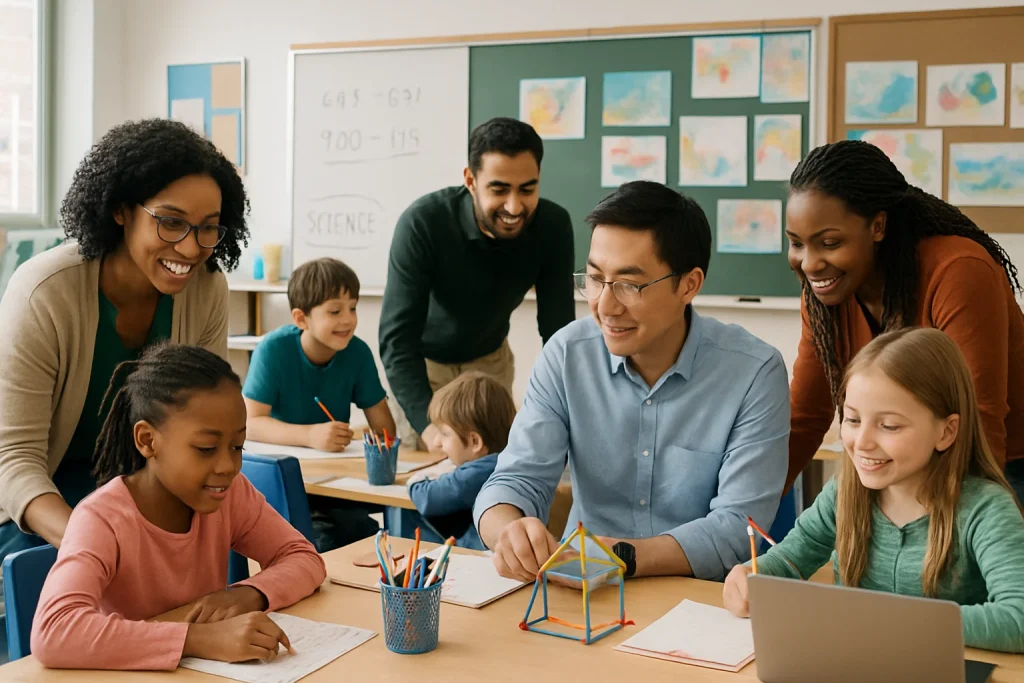
The teacher’s role as a facilitator is paramount in a student-centered learning paradigm. Instead of standing at the forefront of the classroom providing information through lectures, teachers are tasked with creating conducive learning environments that stimulate inquiry, collaboration, and exploration. They guide students in navigating their educational experiences and encourage autonomy by allowing learners to take charge of their studies according to individual interests and strengths.
-
Promoters of Social Skills
The emphasis placed on social skills—such as judgment, empathy, and collaboration—underscores the importance of preparing students to thrive in a communal environment. Teachers foster these skills through carefully designed interactions and collaborative projects, recognizing that personal and inter-personal growth is critical to a student’s overall development. This reflects a shift from academic performance as a primary evaluation metric to valuing social competence as a cornerstone of student success.
-
Designers of Learning Environments
A key aspect of the teacher’s evolving role is the shift towards designing learning environments tailored to meet diverse student needs. This approach recognizes that each student comes with their unique experiences and backgrounds, necessitating pedagogical adjustments that respect individuality. Teachers must be equipped with the skills to facilitate differentiation and personalized learning paths, allowing students to progress according to their readiness and interests.
-
Collaborators in Curriculum Development
As insights from research indicate, the personal involvement of teachers in curriculum design can lead to genuine educational reform. When teachers actively participate in the development of curricula, their sense of ownership enhances their commitment to implementing its objectives effectively. Teachers are encouraged to adopt frameworks that permit the continuous assessment and reflection of their pedagogical strategies, building a culture of collaborative learning both among peers and with students.
-
Mentors and Supporters
The teacher-student relationship transforms into a mentorship dynamic where teachers provide emotional and academic support for their learners. Each student benefits from teachers who not only guide their academic pursuits but also nurture their self-esteem and encourage their curiosity and creativity. The focus is on cultivating a love for learning that extends beyond the classroom walls, preparing students for lifelong learning processes.
Conclusion
In summary, Finnish educational practices illustrate a progressive model in which the role of the teacher is multifaceted and increasingly centered around the student. As educators embrace their roles as facilitators, mentors, and collaborative partners, they foster enriching environments conducive to student growth and empowerment. This holistic development not only prepares students for academic achievement but for vibrant participation in society, reflecting the ideals of a truly student-centered learning approach.
Through understanding and implementing these modern pedagogical perspectives, educators can genuinely create thriving educational experiences that will resonate with students well beyond their formal schooling years.
