


Overview
Interdisciplinary teaching and learning have emerged as a core aspect of educational methodologies in Finnish schools, facilitating a holistic approach to student education. By combining multiple subjects and differing perspectives, this approach aims to enhance learning experiences and foster critical thinking skills.
Benefits of Interdisciplinary Approaches in Finnish Education
1. Enhanced Engagement and Motivation
Interdisciplinary learning encourages students to connect classroom knowledge with real-world contexts. By linking content from various subjects—such as science, mathematics, and arts—students find learning more relevant and enjoyable. When students see the practical applications of what they are learning, they become more engaged and motivated to actively participate in their education.
2. Development of Critical Thinking Skills
Interdisciplinary approaches necessitate that students analyze and synthesize information from multiple sources. This practice cultivates critical thinking skills, as learners are encouraged to evaluate different perspectives, draw their own conclusions, and solve complex problems that do not fit neatly into the confines of a single academic discipline.
3. Fostering Creativity and Innovation
The amalgamation of various subject matters stimulates creativity by encouraging students to think outside customary frameworks. When students are given the freedom to explore connections between different domains of knowledge, they are more likely to visualize innovative solutions and approaches to challenges.
4. Increased Collaboration and Communication Skills
Interdisciplinary projects often necessitate group work, prompting students to collaborate with their peers. These interactions not only bolster social skills but also teach students about teamwork, negotiation, and shared responsibility—skills that are essential for success in both academic and professional environments.
5. Development of Transversal Skills
Finnish curricula emphasize the importance of transversal skills that cut across traditional subject boundaries. These skills include, but are not limited to, information processing, self-management, and social skills. Interdisciplinary learning allows for the integration of these transversal skills into everyday lessons, preparing students for the complexities of modern life.
6. Promoting Cultural Awareness and Global Citizenship
With the increasing multicultural dynamics in schools, interdisciplinary approaches serve to promote understanding and tolerance among students from diverse backgrounds. By addressing themes such as environmental education or global citizenship, students learn to appreciate differing cultural perspectives and become more responsible global citizens.
Implementing Interdisciplinary Learning in the Classroom
1. Thematic Units
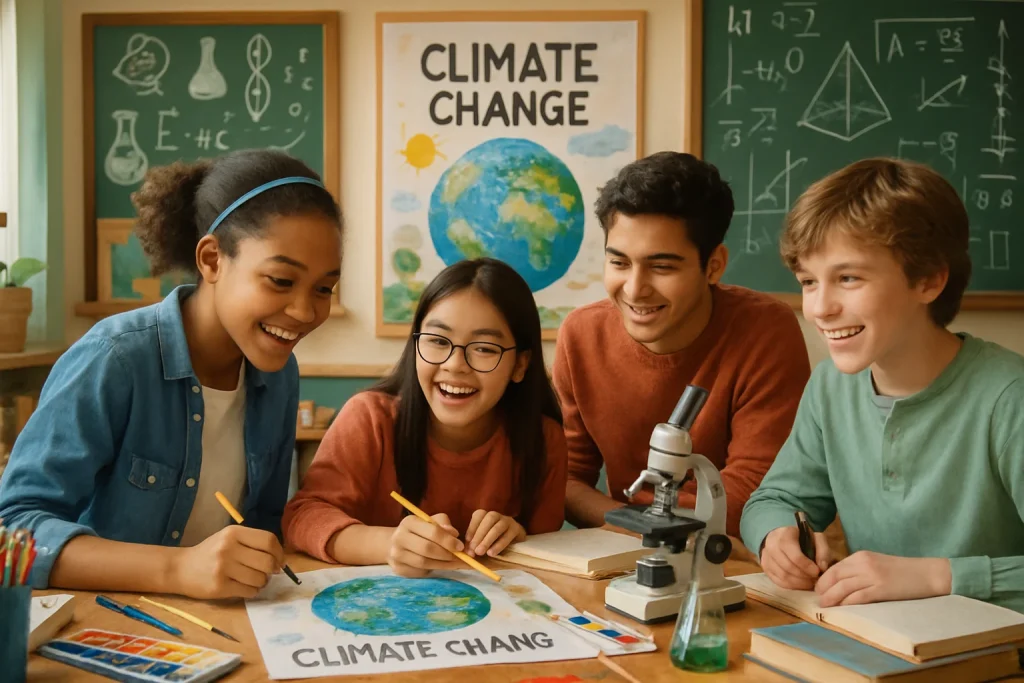
Teachers can organize teaching around central themes that encompass multiple subjects. For example, a unit on "Climate Change" could integrate aspects of science, geography, and even art, allowing students to explore the topic from various angles.
2. Project-Based Learning
Engaging students in collaborative, project-based tasks fosters interdisciplinary learning. Projects that require research, innovation, and presentation encourage the application of skills learned across different disciplines.
3. Flexible Scheduling
Flexibility in scheduling allows for longer blocks of time dedicated to teaching large interdisciplinary units rather than adhering strictly to traditional time slots for each subject. This adjustment can support deeper learning experiences.
4. Teacher Collaboration
Effective interdisciplinary teaching requires collaboration among teachers. By planning together, educators can create curriculum maps that interweave their subjects harmoniously, ensuring students receive a cohesive learning experience.
5. Community and Environmental Connections
Drawing on the community and environment can enrich interdisciplinary learning. Organizing field trips or collaborative projects with local organizations provides students with hands-on experiences that emphasize the relevance of their studies to societal issues.
Conclusion
Interdisciplinary approaches to learning reflect the multifaceted nature of knowledge and are integral to the Finnish educational philosophy. Through these methods, educators can provide students with a richer, more connected learning experience, fostering essential skills that will empower them in their academic journeys and future endeavors.
