


Introduction
In this lesson, we delve into the concept of curriculum reform within the Finnish education system, which has been a pioneering force in enhancing student engagement through innovative and adaptive teaching methodologies. Over the past three decades, Finnish educators have continuously updated the national curriculum, allowing it to evolve in response to the dynamic societal and educational landscapes. At the heart of this reform is the understanding that curriculum development is an ongoing process rather than a static document.
The Finnish approach embodies the principle of "less is more," advocating for a streamlined curriculum that emphasizes essential knowledge and skills, thereby reducing unnecessary content. This minimalistic approach fosters active engagement and critical thinking among students, ensuring that they are equipped with the tools necessary for successful navigation in an increasingly complex world.
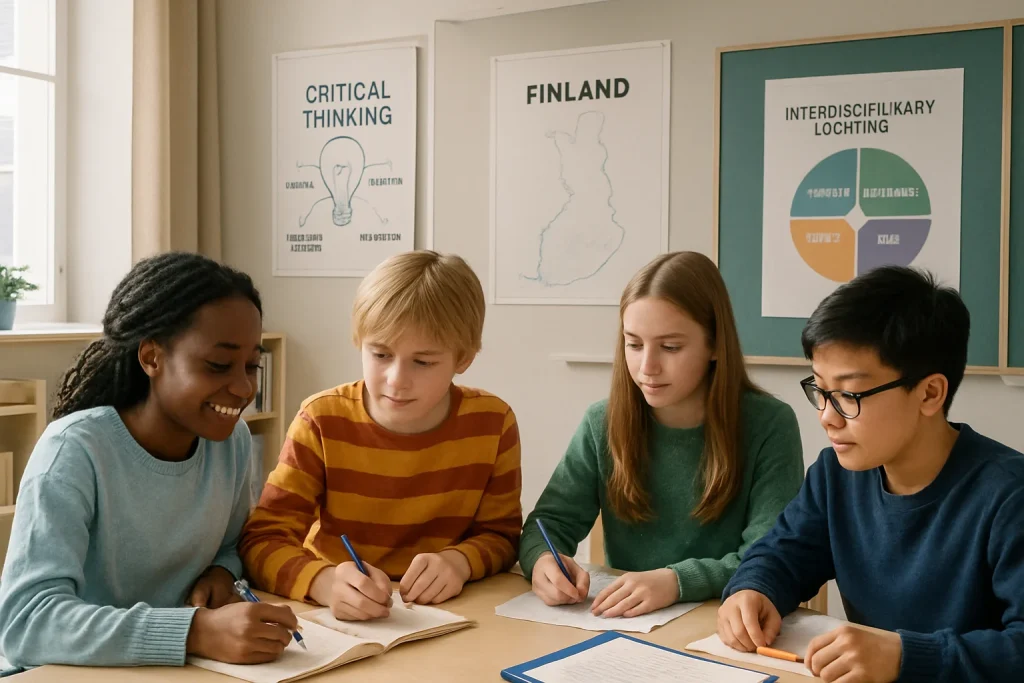
A key feature of the Finnish curriculum is its interdisciplinary nature, which allows for a holistic learning experience. Rather than compartmentalizing subjects, Finnish educators encourage connections across different disciplines, enriching the educational experience and fostering creativity. This opens up avenues for innovative curricular strategies that prioritize student well-being and interests.
In this lesson, we will cover the following topics:
-
Curriculum Development Processes: Exploring the systematic methods employed in designing and implementing curriculum changes.
-
The Concept of ’Less is More’: Understanding how focusing on fewer subjects promotes a deeper and more meaningful engagement with content.
-
Interdisciplinary Approaches to Learning: Analyzing how blending various subjects enhances critical thinking and skill development.
-
Innovative Curricular Strategies: Examining modern pedagogical techniques that align with the principles of student-centered learning.
We invite you to engage with the material thoughtfully as we explore how these reformative practices position Finnish education at the forefront of global educational paradigms. Your active participation is crucial for developing a profound understanding of these concepts.
Wishing you a fruitful learning experience!
