


Introduction
In contemporary education, particularly within the context of the Finnish model, there is an urgent need to move beyond reliance on traditional textbooks and curate a variety of diverse educational resources. This shift is essential not only for fostering student-centered learning but also for providing accessible and meaningful educational experiences tailored to the unique needs of every student, particularly those in special education settings.
Importance of Diverse Educational Resources
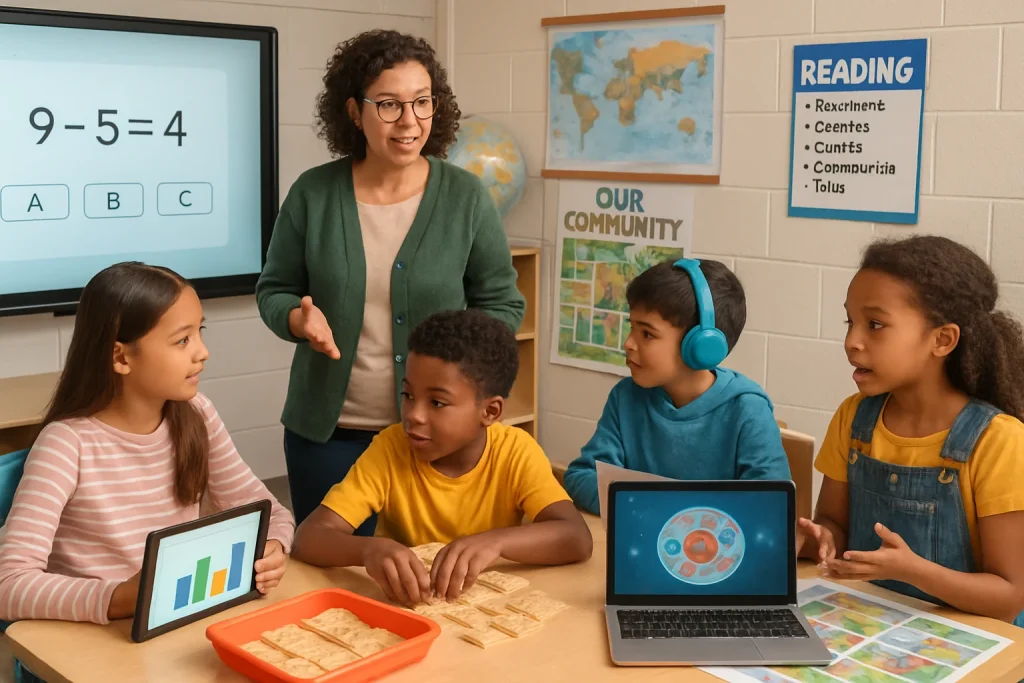
Diverse educational resources encompass various materials that go beyond the limitations of standard textbooks. These may include digital resources, real-life case studies, community collaborations, hands-on activities, visual aids, multimedia content, and experiential learning opportunities. Utilizing diverse educational resources is instrumental in:
-
Fostering Critical Thinking: Alternative resources encourage students to engage with information critically, analyze different viewpoints, and synthesize knowledge from multiple sources, thereby promoting higher-order thinking skills.
-
Enhancing Engagement: Varied instructional materials cater to different learning styles and preferences, thereby increasing student motivation and interest in the learning process.
-
Supporting Individualized Learning: Diverse resources allow teachers to adapt curricula according to individual students’ abilities, interests, and backgrounds. This personalized approach is particularly essential in special education, where tailoring content to fit each student’s unique learning conditions is a fundamental requirement.
-
Encouraging Real-World Connections: Integrating resources from the community or real-life scenarios helps students see the relevance of their studies and encourages the application of knowledge beyond the classroom setting.
Implementation Strategies
1. Selection of Resources
When selecting resources, it is vital to consider the specific needs of your students. The types of resources that might be beneficial include:
- Digital Resources: Online platforms, educational applications, and interactive websites that offer diverse and updated information.
- Community-Based Resources: Collaborations with local organizations, guest speakers, and field trips that connect classroom learning with real-world experiences.
- Multimedia Tools: Videos, podcasts, and virtual reality experiences that can provide immersive learning opportunities.
- Hands-On Activities: Practical workshop experiences that facilitate experiential learning and allow students to apply concepts in tangible ways.
2. Collaboration and Co-Creation
Engaging in collaborative initiatives with other educators, special education specialists, and community stakeholders allows for the sharing of innovative resources and teaching strategies. This collaboration can enhance the richness and variety of the educational resources available to students.
3. Technology Integration
Incorporating technology into educational practices can significantly broaden the horizons of resource variety. Utilizing digital tools not only supports interactive and engaging learning experiences but also prepares students for a technologically advanced world where information is accessed via various platforms.
4. Reflection and Assessment
Teachers should regularly assess the effectiveness of the resources being utilized. Gathering feedback from students and analyzing learning outcomes can guide the selection of future resources and inform necessary adaptations to meet evolving educational needs.
Conclusion
In striving for an educational environment that prioritizes student-centered learning, it is imperative to embrace diverse educational resources. By actively seeking out and integrating various types of materials into our teaching practices, we can enhance learning experiences, foster critical thinking, and ensure that every student, including those requiring special education interventions, receives instruction that resonates with their individual needs and aspirations. The pathway to a more inclusive, engaging, and effective educational experience begins with a willingness to explore and utilize the vast array of resources available to us.
