


Overview
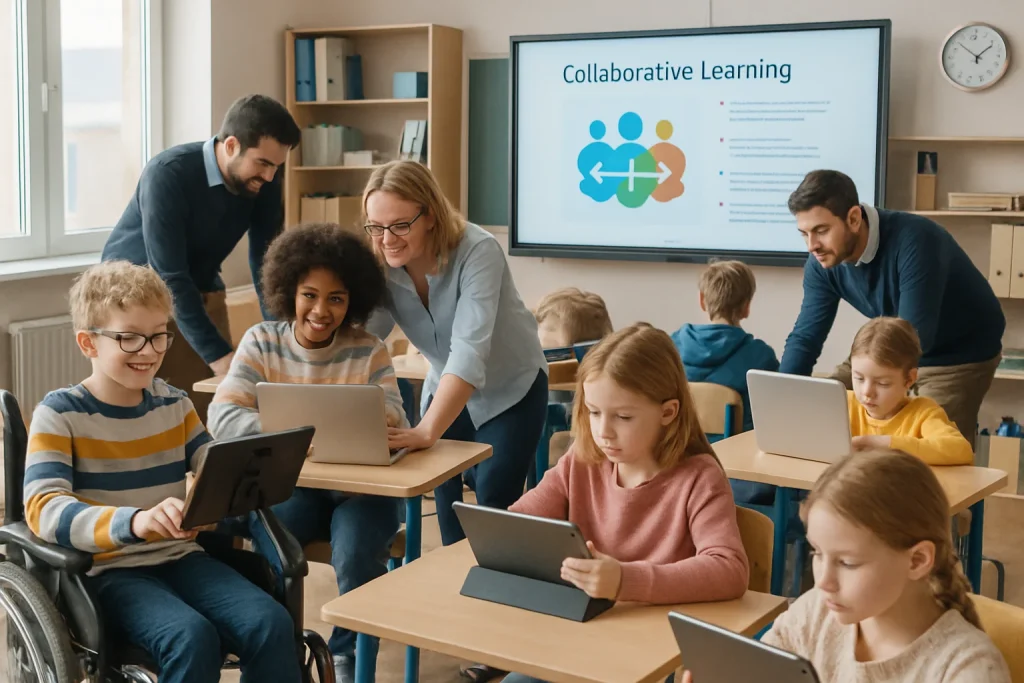
In this topic, we will investigate the crucial role of technology in supporting diverse educational practices within a student-centered learning framework. Adopting technology facilitates personalized learning experiences, enables differentiated instruction, and provides students with essential 21st-century skills. Emphasizing the Finnish education system, we will explore how technology integration can foster critical thinking, creativity, and active participation among learners of varying abilities—especially within special education settings.
The Importance of Technology in Student-Centered Learning
The current educational landscape necessitates the seamless integration of technology into everyday teaching practices. This pragmatic approach allows educators and students to benefit from the myriad functionalities that technology offers, including:
-
Enhancing Engagement: Technology can create dynamic and interactive learning environments. This can be accomplished through multimedia presentations, simulations, and gamified learning experiences, which cater to various learning styles and preferences.
-
Supporting Individualized Learning: Technology affords educators the opportunity to customize curricula according to students’ diverse needs. Through adaptive learning platforms, teachers can tailor educational content, ensuring that all students, including those in special education, receive appropriate support and resources that align with their unique learning profiles.
-
Facilitating Collaboration: Technology enables collaborative learning experiences, allowing students to work in groups or cooperatively on projects, regardless of geographical constraints. Tools like shared documents and communication platforms foster teamwork, critical dialogue, and peer feedback, cultivating essential social skills.
-
Promoting Critical Thinking and Creativity: By utilizing various digital tools, students can engage in innovative problem-solving and analytical tasks, thereby enhancing their critical thinking skills. For example, students can conduct research, analyze data, and present findings using technology, preparing them for future academic and career pursuits.
-
Aiding Assessment and Feedback: Technology provides a platform for continuous feedback. Educators can utilize educational software to track student progress, identify areas that require intervention, and adapt their instructional strategies accordingly. This immediate insight is particularly valuable for tailoring support in special education settings.
Technology Integration in Special Education
As underscored in the provided context, the teaching of students with special needs must adapt to suit their individual learning conditions. The integration of technology within this sphere of education can be transformative. Here’s how technology can be leveraged:
-
Customized Curricula and Resources: Technology enables teachers to access a wide array of digital resources, allowing them to curate materials that meet the individual goals set for students with special needs. This might involve utilizing specialized educational software that aligns with adapted curricula.
-
Enhanced Communication Aids: For students with communication difficulties, technology offers tools such as speech-to-text applications, augmentative and alternative communication (AAC) devices, and interactive software, facilitating more effective communication.
-
Assistive Technology Solutions: Incorporating assistive technologies such as text-to-speech programs, electronic math worksheets, or auditory learning applications can support diverse learning styles and modes of instruction. These tools help students meet educational objectives while accommodating their specific challenges.
-
Creating Inclusive Learning Environments: Technology can foster inclusivity by promoting equal access to educational resources and opportunities. For instance, accessible online content ensures that all students, regardless of ability, can engage fully with the curriculum.
Implementing Technology Mindfully
Despite the numerous advantages that technology integration offers, it must be approached intentionally and strategically to yield meaningful outcomes. Educators are encouraged to:
-
Evaluate Resources: Teachers should critically assess various digital tools before implementation, ensuring their appropriateness for the targeted learning objectives and student needs.
-
Pilot Programs: Initiating small-scale trials of new technologies can help educators determine their effectiveness in practice before broader application.
-
Professional Development: Continuous professional development should be prioritized to keep educators informed on the latest technological advancements and pedagogical strategies, ensuring that technology is utilized effectively in the classroom.
-
Collaboration with Parents and Specialists: Engaging parents and educational specialists in discussions about technology use can provide valuable insights and support for integrating technology in a constructive manner.
Conclusion
Integrating technology into the classroom reflects a commitment to enriching the educational experience for all students, particularly within a student-centered learning framework. By emphasizing technology’s role in promoting engagement, collaboration, and individualized learning, educators can create dynamic environments that prepare students, including those with special needs, for future academic and life challenges. As the Finnish education system exemplifies, successful technology integration hinges on a thoughtful, inclusive approach that prioritizes both student voice and agency in the learning process.
