


Introduction
In the contemporary educational landscape, the role of traditional textbooks has come under scrutiny as educators seek to adapt teaching methodologies to the ever-evolving needs of 21st-century learners. This lesson aims to critically assess the limitations of textbook-based learning while exploring alternative educational resources that can enhance student engagement and learning outcomes.
As we delve into the intricacies of this topic, we will examine the inherent constraints of relying heavily on textbooks for instructional purposes. The significance of fostering critical thinking and real-life skills in students cannot be overstated; thus, we will investigate diverse educational resources that provide richer, more meaningful learning experiences.
This lesson comprises four key topics:
-
Limitations of Textbook-Based Learning
Here, we will explore the potential drawbacks of traditional textbooks, including their rigidity, lack of engagement, and the constraints they impose on curriculum flexibility. -
Utilizing Diverse Educational Resources
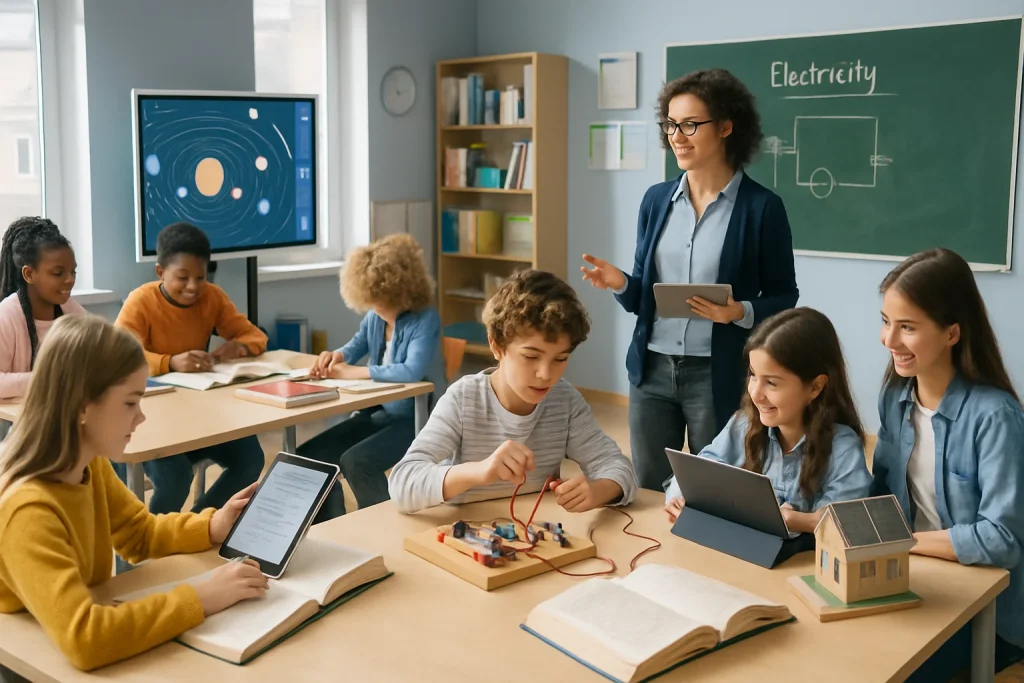
In this topic, we will discuss the importance of incorporating a variety of educational materials, including digital resources, manipulatives, and community-based tools that can foster a more enriched learning environment. -
Integrating Technology in the Classroom
As technology becomes increasingly prevalent in education, we will examine how educators can effectively integrate digital tools to enhance learning and better prepare students for the demands of contemporary society. -
Project-Based Learning Approaches
Finally, we will explore project-based learning as a powerful pedagogical approach that encourages collaboration, creativity, and critical thinking, transcending the limitations of traditional textbook learning.
In summary, this lesson seeks to empower educators by providing them with a critical lens through which to view traditional textbooks, while also equipping them with practical strategies to foster a more student-centered learning environment. Together, we will pave the way for a transformative educational experience that nurtures students’ real-life skills, ensuring they are well-prepared for the complexities of the future.
