


Overview
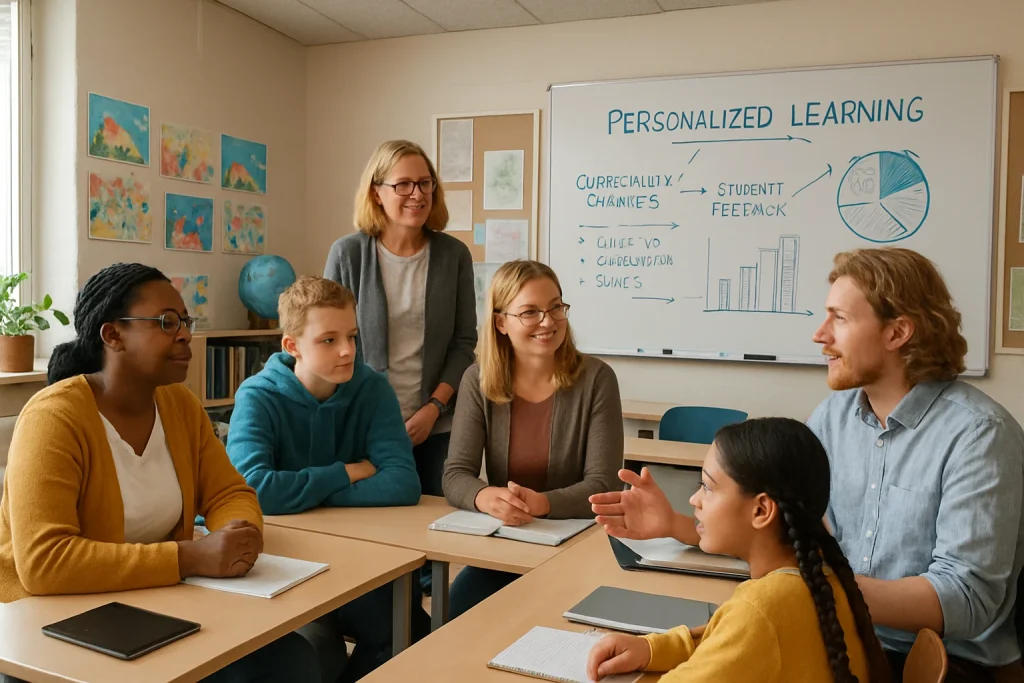
In contemporary educational systems, particularly within the Finnish context, the process of adapting teaching practices based on community feedback is vital for effective teaching and learning. This process is rooted in recognizing and prioritizing the personal learning goals of students, especially when they may conflict with the broader objectives of an approved curriculum. This topic explores the mechanisms of integrating feedback from various stakeholders within the educational community to literally shape and enhance teaching methodologies.
Importance of Continuous Adaptation
The Finnish education system emphasizes that the pursuit of a student’s personal learning goals takes precedence when they conflict with established curriculum goals. The curriculum is not a static document but rather a living framework that evolves based on ongoing student progress and feedback derived from assessments. This continuous evaluation is not just limited to academic performance; it extends to the holistic development of the school community, ensuring that educational objectives remain relevant and aligned with the needs of the students.
The Role of Holistic Assessment
Holistic assessment encompasses both individual student evaluations and broader assessments of the school environment. This dual approach allows for a more comprehensive understanding of educational effectiveness. The evaluation of the curriculum’s implementation informs necessary reforms in the school’s operations, facilitating a cycle of continuous improvement. Therefore, self-evaluation within schools is not only foundational; it is a requisite for effective curriculum development. This requires collaboration across various stakeholders, including teachers, students, guardians, and external experts, fostering a participative environment that encourages innovation in teaching practices.
Systematic Feedback Mechanisms
Strategies for Gathering Feedback
-
Student Assessments: Regular assessments provide critical insights into students’ learning journeys. Feedback from these assessments should be structured to identify not just academic understanding but the emotional and social well-being of students as well.
-
Education Community Involvement: Construct discussions involving teachers, students, guardians, and community members to gather comprehensive feedback about the educational environment. Engagement sessions, surveys, and forums can serve as effective platforms for obtaining valuable insights.
-
Self-Evaluation Initiatives: Schools should implement self-assessment protocols, where educators reflect on their teaching methodologies, classroom dynamics, and curriculum delivery. This reflection should be routine and aimed at identifying both strengths and areas for improvement.
Use of Feedback for Adaptation
Upon collecting feedback through various means, the next step involves analyzing the data to identify trends, gaps, and opportunities for enhancement. Adaptation should focus on:
-
Personalized Learning: Modify teaching styles and curriculum content based on individual student assessments to better meet their learning needs. Personalization can take the form of differentiated instruction, providing various pathways to learning that cater to diverse abilities.
-
Collaborative Curriculum Development: Using feedback from assessments and community insights encourages collaborative curriculum development efforts where educators have a say in adjusting content based on real classroom experiences.
-
Incorporating Technology: Leverage technology to facilitate feedback collection and to track student progress. Digital platforms can allow for immediate feedback from students, enabling quick adjustments to teaching practices.
Continuous Curriculum Development
Evaluation of Curriculum Goals
Adapting educational practices means regularly revisiting the goals and contents of the curriculum. This must be informed by both student progress and the feedback generated. Incorporating a process for ongoing revision ensures that curriculum goals remain aligned with the actual learning experiences of students.
Development of Subject-Specific Curricula
For subjects where integration does not effectively support student development, specialized curricula should be developed. Tailoring teaching approaches for special needs education and students requiring additional support must be prioritized to ensure all students have access to learning experiences that are both meaningful and conducive to their growth.
Conclusion
The feedback and adaptation process in educational practices is a dynamic and integral component of the Finnish education system. Prioritizing student-centered approaches, holistic assessments, and systematic feedback mechanisms not only shape the curriculum but creates a more responsive and effective learning environment. In this way, education becomes a collaborative endeavor that supports all learners in achieving their personal goals within a framework that celebrates individual differences and nurtures collective growth.
By embracing these principles, educators can better navigate the complexities of teaching in an ever-changing world, ultimately leading to enriched educational experiences for students.
