


Introduction
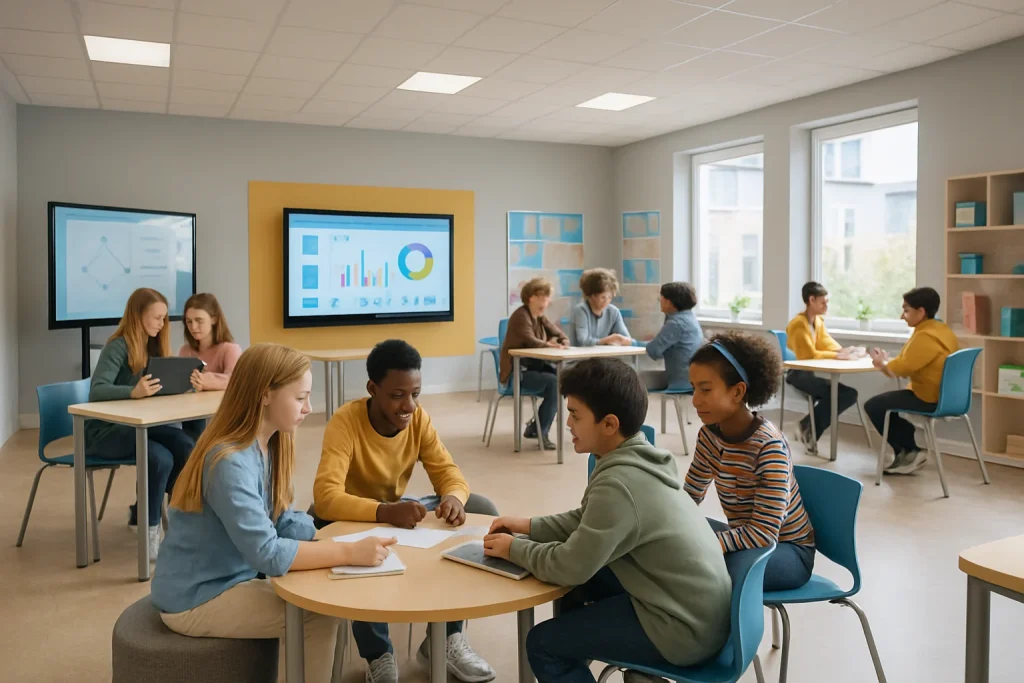
As we explore the concept of designing educational environments that prepare students for the future, it is essential to consider the profound shifts in pedagogical approach occurring globally. Drawing inspiration from the Finnish educational system, which champions a student-centered philosophy, we can begin to re-envision our learning environments. This topic delves into the key elements that must be integrated to foster holistic, inclusive, and engaging learning spaces that emphasize the essential skills students will need in an increasingly complex world.
The Importance of Social Skills
In today’s educational landscape, there is an increasing emphasis on cultivating social skills such as judgment and empathy. These skills are not merely supplementary; they are fundamental to the vitality of both the individual and the community. Effective educational frameworks recognize that a well-rounded education must encompass more than academic content; it must include the fostering of interpersonal relationships and community-building activities. Recognizing the significance of social support is crucial in maintaining the well-being of students and ensuring their ability to contribute positively to society.
Theoretical Change in Curriculum
Recent curriculum theories challenge the traditional ideology of objective learning that has dominated education in recent decades. The contemporary understanding of curriculum positions it as a dynamic, evolving process that responds to assessment results and environmental changes, rather than as a static set of objectives. As such, curricula must be flexible and adaptable, emphasizing essential competencies rather than rote learning.
- Dynamic Nature of Curriculum: The curriculum should not be viewed as a rigid document but as a living entity that evolves in response to the needs of students and the demands of society.
- Teacher Involvement in Curriculum Design: Research indicates that personal involvement of educators in curriculum design is critical to implementing real change. Teachers should not merely execute externally developed curricula; they should actively engage in the process to cultivate ownership and commitment.
Perception of Learning and Knowledge
A modern educational framework emphasizes the active role of students in constructing their own knowledge. Students’ perceptions and expectations shape their learning experiences, guiding their focus and influencing how they interpret information. This necessitates differentiated learning paths that cater to individual experiences, talents, hobbies, and learning difficulties.
- Individualized Learning: Tailored programs should be developed to meet the diverse needs of students, allowing them to explore areas of interest and relevance.
- Encouraging Active Learning: Facilitators of learning should create environments that stimulate curiosity and a desire to learn, transitioning from traditional lecture-based teaching to interactive, participatory methods.
Creating Inclusive Learning Environments
Inclusive education champions the concept that every student has the right to succeed, respecting individuality and unique capabilities. This approach requires educational environments that are not only physically accessible but also psychologically safe and supportive.
- Collaborative Environments: Fostering cooperation among students allows for the development of essential social capital, enhancing both individual growth and community resilience.
- Role of Educators as Facilitators: Teachers must evolve into facilitators of learning, shaping environments that promote collaboration and encouraging students to take initiative in their education.
Embracing Future Skills
In designing future-ready learning environments, educational institutions must ensure the integration of skills necessary for success in a rapidly changing world. This includes promoting:
- Critical Thinking: Teaching students to engage with complex problems and think critically about the information presented to them.
- Creativity and Innovation: Encouraging students to think outside traditional boundaries, fostering an entrepreneurial mindset.
- Digital Literacy: Providing the skills necessary to navigate and utilize technology responsibly.
Conclusion
Designing future-ready learning environments requires a profound commitment to redefining educational practices. By placing emphasis on social skills, fostering collaborative and inclusive spaces, and equipping students with essential future competencies, educators can create rich, dynamic, and engaging experiences that not only prepare students for tomorrow but also empower them to thrive within their communities. The Finnish educational framework offers valuable insights and practices to inspire the transformation of learning environments worldwide, emphasizing the power of student-centered approaches and continuous curriculum development.
