


Overview
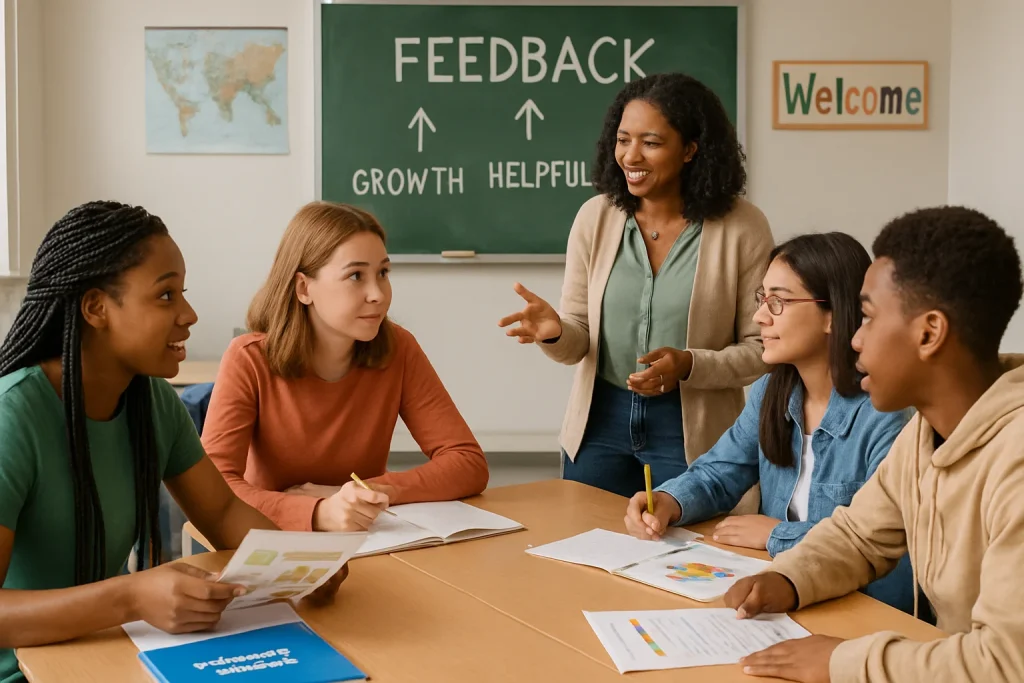
Feedback mechanisms in education play a pivotal role in facilitating student learning and growth. This topic highlights the significance of implementing effective feedback systems that resonate with the principles of student-centered learning as observed in the Finnish educational system.
Learning Objectives
By the end of this topic, participants will be able to:
- Understand the importance of feedback in enhancing student performance.
- Recognize the role of feedback in establishing supportive learning environments.
- Explore various feedback mechanisms that promote continuous improvement and self-directed learning.
- Analyze how personalized feedback can assist in aligning students’ individual learning goals with curricular objectives.
Importance of Feedback in Education
Feedback is an essential component of the educational process, acting as a bridge between teaching and learning. In the context of Finnish education, feedback is not merely evaluative; it serves as a guide for students, helping them enhance their skills and understanding through thoughtful reflection on their performance.
-
Guiding Student Learning: Feedback should provide insights into areas where students excel and where they may require additional support. This constructive input enables learners to set realistic goals and develop actionable plans to achieve them.
-
Fostering a Growth Mindset: By emphasizing the importance of effort and resilience, feedback encourages students to embrace challenges. It cultivates a positive atmosphere where mistakes are viewed as opportunities for learning, thus promoting a growth mindset.
-
Enhancing Engagement: Feedback mechanisms can increase student motivation. When feedback is timely, specific, and relevant, students are more likely to feel invested in their learning process, leading to greater engagement in classroom activities.
Types of Feedback Mechanisms
1. Verbal Feedback
Verbal feedback provides immediate and direct responses during lessons. It facilitates real-time adjustments in student understanding and helps teachers identify and address misconceptions promptly.
- Peer Feedback: In collaborative settings, students can provide feedback to one another. This mutual exchange fosters communication skills and encourages critical thinking, as learners must articulate their thoughts clearly.
2. Written Feedback
Written feedback allows for a more detailed and reflective approach to assessment. It can be provided through comments on assignments, performance reports, and assessment rubrics.
- Constructive Criticism: Effective written feedback highlights both strengths and areas for improvement, guiding students toward better performance in future tasks.
3. Formative Assessment
Formative assessments are ongoing evaluations that provide insight into student progress throughout the learning process rather than solely at the end.
- Continuous Improvement: By integrating frequent formative assessments, educators can continually adapt their teaching strategies based on student needs. This dynamic feedback loop supports personalized learning experiences that align with individual learning paths.
4. Self-Assessment
Encouraging students to engage in self-assessment promotes self-regulation and responsibility for their learning journey.
- Reflection and Goal Setting: Self-assessment tools, such as learning journals or checklists, allow students to reflect on their performance and set personal learning objectives. This practice emphasizes their active role in the learning process.
Establishing Effective Feedback Mechanisms
To foster an educational environment where feedback thrives, consider the following strategies:
-
Create a Safe Space for Feedback: Establish a classroom culture where all feedback is viewed as constructive. Students must feel comfortable expressing their thoughts and asking questions.
-
Encourage Dialogue: Feedback should not be a one-way communication. Engaging students in discussions about their performance enhances their understanding and application of the feedback received.
-
Timeliness: Provide feedback promptly while the material is still fresh in students’ minds. This immediacy allows for quick corrections and reinforces learning.
-
Tailored Feedback: Personalize feedback to meet the diverse needs of students. Tailoring responses based on individual strengths and weaknesses enriches the feedback experience and enhances its effectiveness.
Conclusion
The incorporation of effective feedback mechanisms is fundamental in guiding students through their learning journeys. By prioritizing feedback that is constructive, timely, and personalized, educators in the Finnish system empower students to take charge of their learning, cultivate a growth mindset, and develop essential skills for lifelong success. Embracing these principles fosters a community of continuous improvement, where each learner is supported in realizing their potential within an engaging and nurturing educational landscape.
Reflection Questions:
- How can you implement feedback mechanisms that align with the principles of student-centered learning in your own teaching practice?
- What challenges might arise when providing feedback, and how can you address them to enhance student engagement?
