


Understanding Local Laws and Compliance Measures
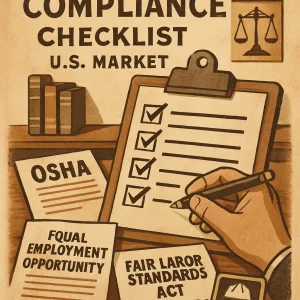
When a business plans to enter the U.S. market, it is imperative to navigate the intricate regulatory landscape. Below is a comprehensive checklist that outlines key regulations and compliance measures to consider.
Checklist for Regulatory Compliance:
-
Occupational Safety and Health Act (OSHA)
- Ensure compliance with OSHA regulations, which mandate the provision of a safe working environment.
- Conduct hazard assessments to eliminate risks related to noise, chemicals, and other workplace hazards.
- Implement health protocols that may be necessary during the ongoing pandemic, aligned with OSHA recommendations.
-
Equal Employment Opportunity Act
- Familiarize yourself with the prohibitions against discrimination based on sex, national origin, race, disability, age, color, or religion.
- Prepare to handle discrimination claims and ensure fair treatment of employees.
-
Fair Labor Standards Act (FLSA)
- Adhere to minimum wage laws, ensuring all employees are compensated at the federal minimum wage or higher.
- Maintain accurate records for hours worked and implement overtime payment practices as required.
-
Antitrust Laws
- Understand antitrust laws that prohibit unfair practices such as price-fixing and monopolies.
- Avoid any actions that may be construed as conspiracies to defraud suppliers or competitors.
-
Licensing and Permit Laws
- Research local, state, and federal licensing requirements pertinent to your business type.
- Ensure all necessary business permits are obtained and renew them as required.
-
Truth in Advertising and Marketing Laws
- Ensure all marketing materials and advertisements are truthful and not misleading.
- Provide evidence backing claims made in advertisements when necessary.
-
Sales Tax Laws
- Determine if your business has a physical presence in states where you will be operating, as this affects sales tax collection.
- Establish mechanisms to collect and submit sales tax in compliance with state requirements.
-
Importing and Exporting Regulations
- Familiarize yourself with U.S. Customs and Border Protection (CBP) guidelines for import and export procedures.
- Engage with industry-specific CBP Centers of Excellence for tailored guidance.
-
Underwriters Laboratories (UL) Standards
- Consider certifying your products through UL, which assesses safety and performance.
- Ensure compliance with UL safety standards and labels when marketing your products.
-
Environmental Regulations
- Assess any local and federal environmental regulations applicable to your business operations.
- Implement policies that promote compliance with environmental laws which may affect operational costs.
Summary
By adhering to the aforementioned checklist, businesses can ensure a smoother entry into the U.S. market while avoiding potential legal pitfalls. Engaging with local legal advisors who specialize in U.S. business regulations can also aid in navigating the complexities of compliance. Establishing a proactive approach to regulatory matters not only fosters goodwill but also enhances business credibility in the eyes of stakeholders and customers.
